Whether you’re casting lines from a skiff, wading the flats, or spending long days on open water, your fishing hat is more than just sun cover — it’s your first line of defense against the elements. Anglers today face intense UV exposure, long hours under harsh sunlight, and unpredictable weather, making a dependable hat an essential part of any gear bag.
In this guide, we’ll explore why fishing hats matter more than ever, the different types available, and how to choose the right one for your fishing style and environment. We’ll break down the benefits of straw, synthetic, and canvas materials, explain why UPF 50+ should be on your checklist, and share expert tips on keeping your hat in top shape season after season.
Whether you’re a weekend fisherman or a daily waterman, this guide will help you make an informed choice — and protect your time on the water in style.
☀️ Why a Fishing Hat is Essential
For anglers, sun exposure isn’t just a minor inconvenience — it’s a serious hazard. According to the American Cancer Society, skin cancer is the most common form of cancer in the U.S., and prolonged UV exposure is one of the leading causes.
A wide-brimmed hat provides critical shade in bright conditions and can even improve visibility by reducing sun interference on polarized lenses. Comfort is another crucial factor. Many fishing environments — like saltwater flats, open bays, and inland marshes — expose you to sweltering heat and humidity. Lightweight, breathable hats made of straw or moisture-wicking synthetics keep you cooler and help prevent heat exhaustion or discomfort that can cut your trip short.
🎩 Different Types of Fishing Hats
🟤 Straw Hats: Timeless & Breathable
Straw fishing hats are iconic among inshore and flats anglers. Lightweight, airy, and full-brimmed, they’re perfect for hot, sunny days. Wide brims offer full-circle protection, shading your face, ears, and neck.
Pros:
– Breathable and cool
– Coastal aesthetic
– Excellent UV coverage
Cons:
– Can warp if soaked or crushed for long periods of time
Shop the Redfish Tail Patch Straw Hat
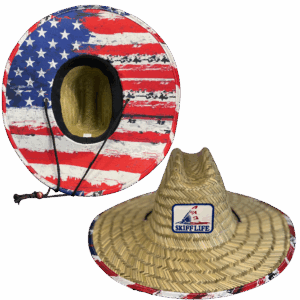
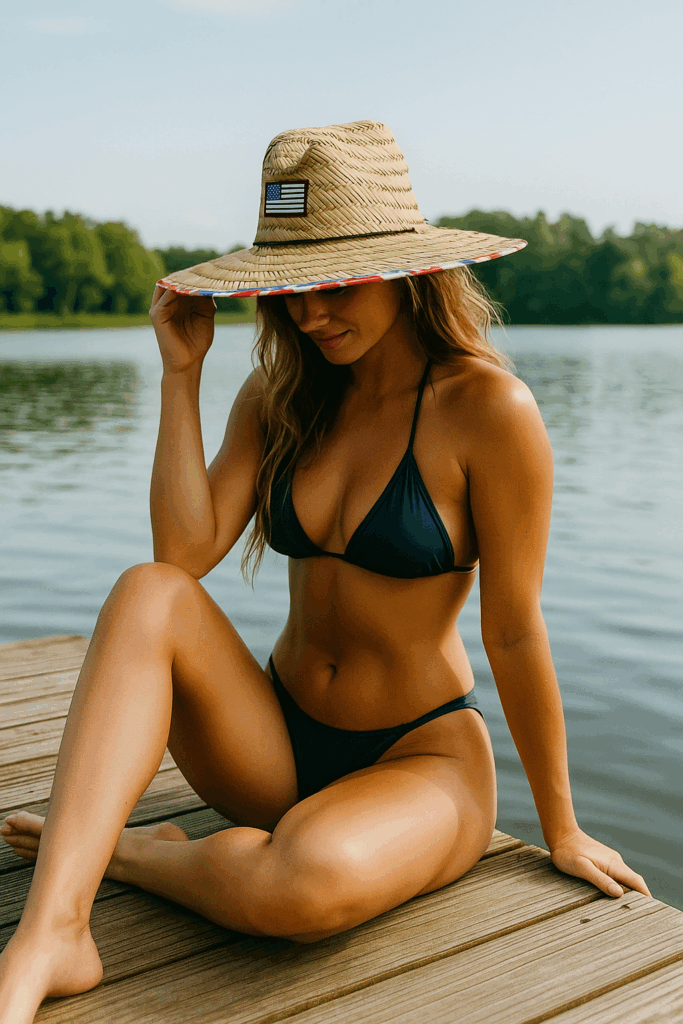
Shop the American Flag Patch Straw Hat
🔵 Synthetic Hats: Durable & All-Weather
Built for performance and rugged use, synthetic hats wick away sweat, dry quickly, and often include neck flaps and mesh panels for breathability. After testing both Synthetic and Straw hats, Skiff Life staff overwhelmingly chose straw hats for our viewers.
Pros:
– Weather-resistant
– Lightweight and packable
Cons:
– Less breathable than straw, heat can actually build-up making you hotter
– Lacks classic style and looks synthetic
⚪ Canvas & Cotton Hats: Comfortable & Familiar
Soft and casual, these hats are ideal for cooler days or shorter outings where comfort matters most.
Pros:
– Flexible, broken-in feel
– Budget-friendly
– Simple care
Cons:
– Retains moisture unless specifically stated as moisture-wicking
– Lower UV resistance unless treated
🔒 UPF Ratings and Why They Matter
Most anglers know SPF for sunscreen, but UPF (Ultraviolet Protection Factor) is what matters in apparel and hats. A UPF 50 rating means 98% of UV rays are blocked — only 1/50th can reach your skin.
Skiff Life straw hats include a UPF 50+ crown liner, giving you the breathable feel of straw with the protection of modern tech.
🧢 Choosing the Right Fishing Hat
Key things to look for:
- Wide brim (3″+) for full coverage
- UPF 50 liner for sun safety
- Drawcord or snug fit to prevent wind loss
- Material fit for climate: straw = hot/dry; synthetic = humid/wet
- Patch design for self-expression (Redfish Tail or American Flag)
🎯 Shop the Redfish Hat
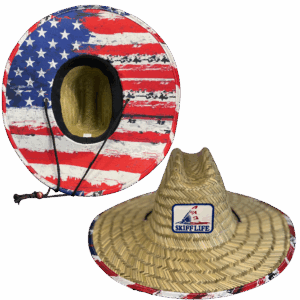
🎯 Shop the American Flag Hat
🧼 Care & Maintenance of Fishing Hats
Straw: Spot clean with damp cloth and mild soap. Do not soak or use heat to dry. Allow to dry normally.
Synthetic/Canvas: Hand wash gently and air dry. Avoid direct sun exposure.
Storage:
- Avoid folding or compressing
- Use a hat hook or shelf
- Store in cool, dry place
💬 FAQs
Q: How do I measure my hat size?
Wrap a soft tape above your eyebrows/ears. Most Skiff Life hats use an adjustable one-size design.
Q: Are straw hats water-resistant?
No. Straw is breathable but can warp when wet for long periods of time.
Q: Do fishing hats float?
Some float briefly, but always secure your hat with a drawcord or clip.
Q: How long will a straw hat last?
With care, several seasons. Avoid crushing, soaking, and store properly.
Want to see how different styles stack up on the water?
Check out our fishing straw hat comparison and breakdown featuring detailed features, reviews, and real-world use.
🎯 Conclusion
From sun protection to comfort and style, a fishing hat is essential gear for every angler. Choose wisely, care for it properly, and it’ll serve you well every time you hit the water.
🎯 Shop Skiff Life’s Redfish Straw Hat
🎯 Shop Skiff Life’s American Flag Straw Hat