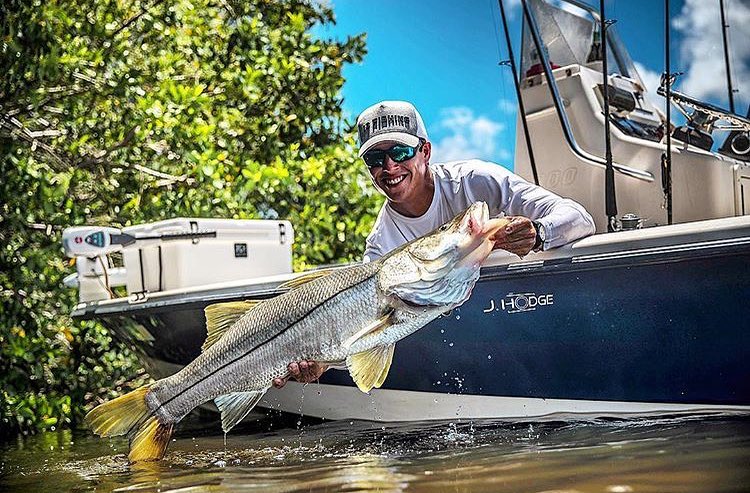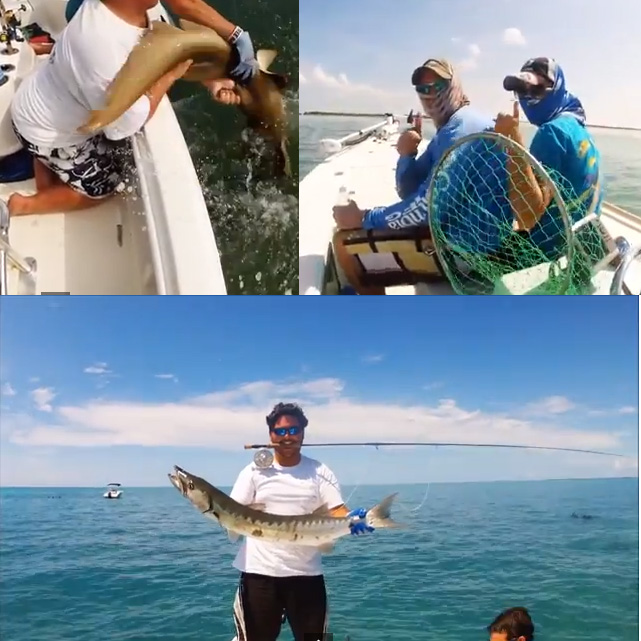
Skiff Life is fortunate in having a diverse network of anglers from all over the Globe. A recent friend/customer in Australia recently sent an email about a really cool fishing story while chasing his native Barramundi. We were surprised at how similar they resembled the Snook here in Florida. It turns out Australia’s Barramundi is one of most iconic game fish in their regions, similar to our Florida Snook. Both species captivate anglers with their aggressive strikes, acrobatic fights, and challenging nature. Despite being found on opposite sides of the world, they share many similarities in behavior, habitat, and angling appeal, making them fascinating species to compare.
Snook thrive in the warm coastal waters of Florida, often patrolling mangrove shorelines, bridges, and passes in search of prey. Meanwhile, Barramundi dominate the tidal estuaries and freshwater billabongs of northern Australia, where they ambush baitfish with explosive power. These fish are both revered for their sportfishing appeal and culinary value, adding to their desirability.
This guide explores the similarities and differences between Snook and Barramundi, covering everything from their habitats and feeding habits to the best fishing techniques and conservation efforts to ensure their sustainability for future generations. Whether you’re targeting Snook along Florida’s coast or casting for Barramundi in the Australian outback, understanding these species will elevate your angling experience.

Are Florida Snook and Barramundi Related?
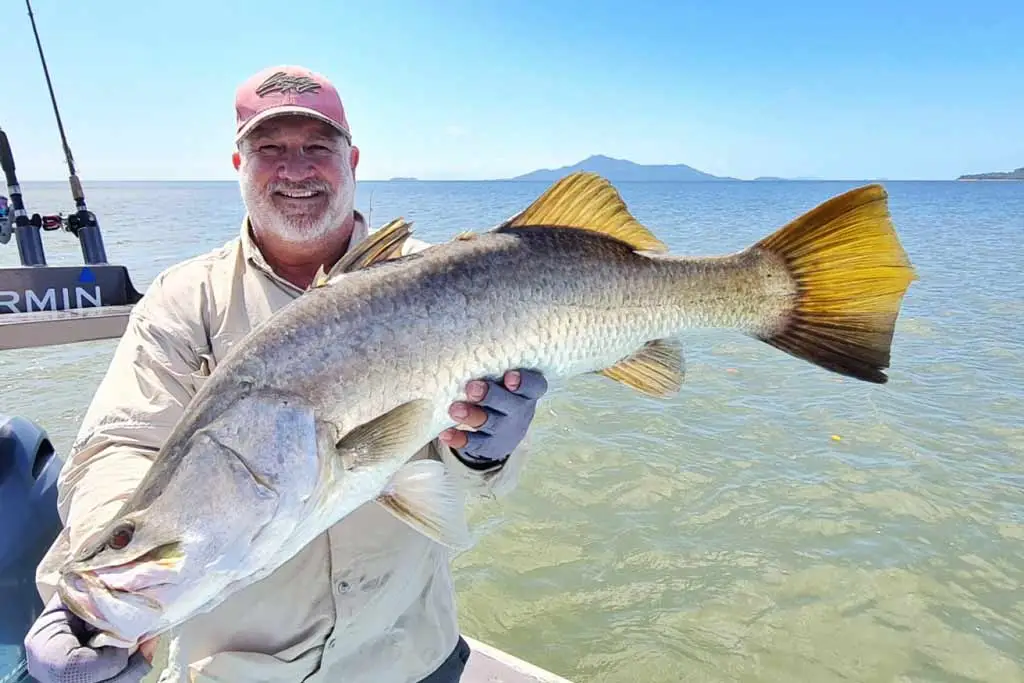
Despite being found in entirely different hemispheres, Florida Snook (*Centropomus undecimalis*) and Australia’s Barramundi (*Lates calcarifer*) share a surprising evolutionary link. Both species belong to the order **Perciformes**, one of the largest fish orders, which includes many predatory and sportfish species.
One of the most striking similarities is their **body shape and feeding adaptations**. Both Snook and Barramundi have elongated bodies built for explosive speed, large mouths designed for ambushing prey, and a distinctive upturned jaw that enhances their ability to strike baitfish near the surface. Their gill plates are also sharp, requiring careful handling by anglers.
The main difference lies in their **size and environmental adaptability**. Barramundi can grow significantly larger, sometimes exceeding 40 inches, while Snook typically top out around 36 inches. Additionally, Barramundi have a broader tolerance for freshwater, often migrating between rivers and coastal estuaries throughout their lives.
Habitat & Distribution
Florida Snook Habitat
Florida Snook thrive in the warm, brackish waters of **Florida’s Gulf and Atlantic coastlines**. They are commonly found in **estuaries, mangrove-lined shorelines, passes, and bridges**, where they ambush prey moving with the tide. Snook are highly sensitive to water temperature, preferring waters above 60°F. In winter, they move into deeper, warmer waters such as **coastal rivers, canals, and power plant outflows** to survive colder conditions. Unlike Barramundi, Snook struggle in extreme cold, which can lead to fish kills in severe winters.
Barramundi Habitat
Barramundi, on the other hand, are native to **northern Australia, Southeast Asia, and parts of the Indian Ocean region**. Unlike Snook, Barramundi exhibit **greater adaptability to freshwater environments**. They are commonly found in **tidal rivers, estuaries, coastal lagoons, and even isolated billabongs (seasonal waterholes)**. They tolerate a wider range of temperatures than Snook but are most active in waters **between 75-85°F**. During the wet season, floodwaters push Barramundi into vast inland freshwater systems, expanding their reach far beyond coastal estuaries.
Habitat Influence on Fishing Techniques
Understanding habitat is crucial to successful fishing. **For Snook**, structure plays a major role in their ambush strategy, making **dock lights, mangrove shorelines, and bridge pilings prime fishing locations**. **For Barramundi**, seasonal rains and water levels dictate their movement, with rising floodwaters often pushing them into new feeding grounds. During the dry season, Barramundi concentrate in deeper tidal rivers, making them easier to locate.
Despite different continents, both species **thrive in estuarine environments**, rely on **tidal movement**, and prefer **ambush feeding techniques**—making them similar in their behavior but distinct in their regional adaptations.
Feeding Habits & Best Baits
Florida Snook Diet
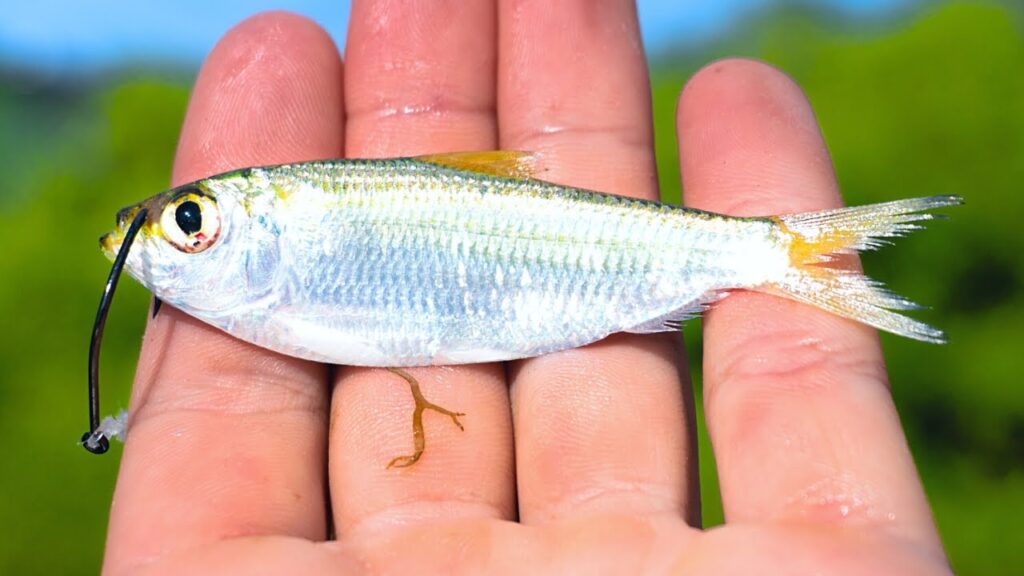
Snook are opportunistic feeders that target **small fish, shrimp, and crustaceans**. Their diet shifts based on seasonal availability, with pilchards, mullet, and pinfish being primary prey. In estuaries, Snook often ambush bait near structure, using the tides to bring food to them. They feed most aggressively during **moving tides**, especially at dawn and dusk. Snook are known to follow baitfish schools, making **bait migration patterns a key factor in locating them.
Barramundi Diet
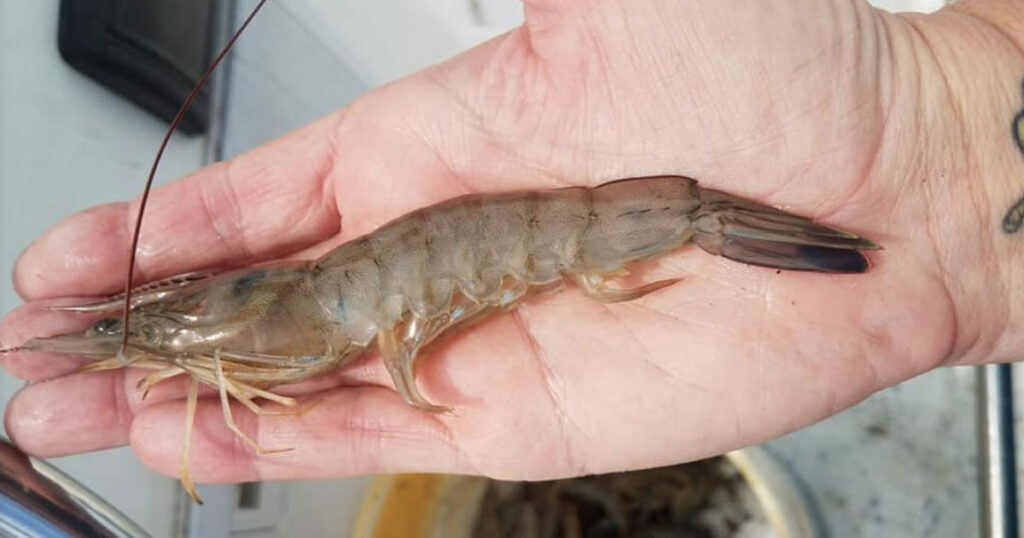
Barramundi are also ambush predators, feeding on **mullet, prawns (shrimp), and even small land animals** that fall into the water. Unlike Snook, Barramundi can be more aggressive in striking prey from the surface, making them highly susceptible to topwater lures. Their feeding intensity increases before the monsoon season when food sources become abundant. **Barramundi use water flow to their advantage**, positioning themselves in currents where bait naturally funnels toward them.
Best Baits & Lures
For **Snook**, the best live baits include **pilchards, shrimp, and finger mullet**. Artificial lures such as **DOA shrimp, swimbaits, and topwater plugs** are highly effective. **Barramundi** respond well to **soft plastics, suspending jerkbaits, and surface poppers**, especially in murky water. **Matching lure color and size to local baitfish improves strike rates**.
✅ Key Takeaway: Both species are structure-oriented ambush predators that prefer live bait and well-presented artificial lures under the right conditions.
Fishing Strategies & Techniques
Best Tackle & Setup
For Snook, a **medium-heavy spinning rod** paired with a 4000-6000 size reel is ideal, allowing for precise casts and enough power to pull fish from structure. A 30-50 lb fluorocarbon leader is crucial to prevent cut-offs from their sharp gill plates. Barramundi require a similar setup, though anglers often opt for baitcasting gear for better control in heavy cover. Their bony mouths necessitate strong hooks and firm hook sets to ensure a solid connection.
Topwater vs. Subsurface Fishing
Snook and Barramundi both strike topwater lures aggressively, especially during low-light conditions. Walk-the-dog style plugs, poppers, and prop baits work well for both species. In deeper water or stronger currents, swimbaits, jerkbaits, and soft plastics retrieved erratically can entice strikes. Matching lure action to water clarity is key—slower retrieves in murky conditions and faster retrieves in clear water.
Seasonal Fishing Strategies
Snook fishing is best during spring and fall, when baitfish migrations increase activity. Barramundi fishing peaks in the wet season, as floodwaters push them into prime feeding zones. During the dry season, targeting deeper holes and river mouths yields the best results. Timing casts with tide changes improves strike chances, as both species ambush prey when currents bring food their way.
Advanced Techniques
For Snook, dock light fishing at night is a proven method, as fish gather in illuminated areas to ambush prey. For Barramundi, slow-rolling swimbaits near submerged logs and rock bars produces consistent bites. Skipping soft plastics under overhanging mangroves can also be deadly for both species, as baitfish often seek shelter in shaded waters.
✅ Key Takeaway: Understanding seasonal movements, water conditions, and lure presentation maximizes success for both species.
Fight & Sportfishing Appeal
Florida Snook: Speed and Strategy
Snook are known for their explosive initial strike, often darting toward structure immediately after being hooked. Their ability to make lightning-fast runs, head-shaking acrobatics, and sudden direction changes makes them a thrilling challenge on light tackle. The key to landing a big Snook is applying steady pressure while preventing them from reaching cover, as they will break off quickly in rocks, docks, or mangrove roots.
Barramundi: Strength and Stamina
Barramundi, in contrast, rely more on brute force and sustained power. They often strike aggressively, leaping into the air in an attempt to shake the hook. Their bony jaws require a solid hook set, and their deep-water bulldogging fights can tire out even experienced anglers. Unlike Snook, which rely on speed, Barramundi use their broad bodies to resist being reeled in, making patience a key factor in landing them.
Best Practices for Landing Big Fish
- For Snook: Use a tight drag and angle your rod to steer them away from structure.
- For Barramundi: Set the hook firmly and be prepared for multiple jumps. Keep the line tight at all times to prevent them from throwing the lure.
✅ Key Takeaway: Snook rely on speed and agility, while Barramundi depend on raw power and stamina, making both species an exciting challenge for anglers.
Common Mistakes Anglers Make
Mistakes When Targeting Snook
- Not Adjusting to Water Clarity – Snook in murky water are more aggressive, allowing for heavier tackle and noisy lures. In clear water, downsizing gear and using natural bait presentation is crucial.
- Using the Wrong Leader Strength – Snook are line-shy, and using a leader that is too heavy (over 50 lb) in clear water can deter bites. However, going too light risks cut-offs from their sharp gill plates. A 30-40 lb fluorocarbon leader is usually ideal.
- Ignoring Tide Changes – Snook rely on tides to bring baitfish into ambush range. Fishing during slack tides often results in little action, while fishing the incoming or outgoing tide increases success.
Mistakes When Targeting Barramundi
- Weak Hook Sets – Barramundi have hard, bony mouths, making a strong, deliberate hook set essential. Many anglers lose fish by not driving the hook in firmly.
- Not Fishing the Right Depth – During the wet season, Barramundi spread out into floodwaters, requiring a shallow-water approach. During the dry season, they retreat to deeper holes and need a slow-rolled presentation.
- Retrieving Lures Too Fast – Barramundi often prefer a slow and steady retrieve in still water, while faster retrieves are more effective in moving currents.
✅ Key Takeaway: Understanding species-specific behaviors, water conditions, and tackle adjustments will significantly improve success rates.
Conservation & Ethical Fishing Practices
Importance of Catch and Release
Both Snook and Barramundi are highly valued sportfish, and responsible fishing practices ensure their populations remain sustainable. Snook, in particular, are subject to seasonal closures and slot limits in Florida due to their vulnerability to overfishing. Barramundi, while more widely distributed, also require careful management, especially during spawning migrations.

Best Practices for Handling & Release
- Use Circle Hooks – These improve survival rates by preventing deep hooking.
- Minimize Air Exposure – Keep fish in the water as much as possible and release them quickly.
- Support the Fish Properly – Hold large Snook or Barramundi horizontally to prevent internal damage.
- Revive Before Release – If a fish seems exhausted, gently move it back and forth in the water to help it regain strength.
✅ Key Takeaway: Ethical fishing ensures that Snook and Barramundi populations remain healthy for future generations of anglers.
Culinary Comparison: Snook vs. Barramundi
Florida Snook: Mild and Flaky
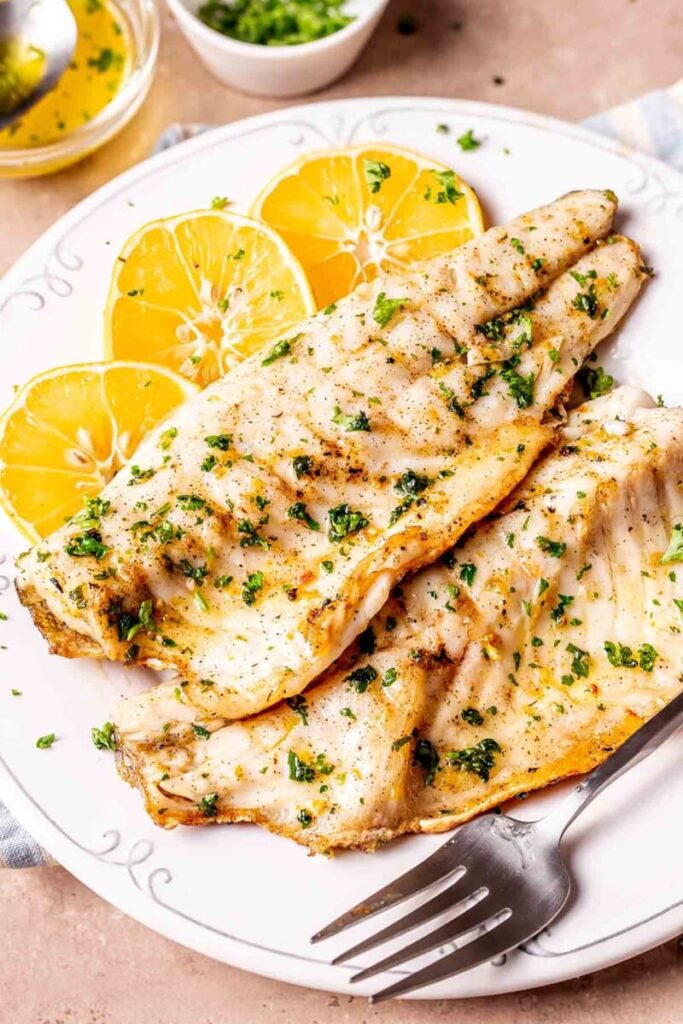
Snook are highly regarded for their mild, flaky white meat. Their clean, sweet flavor makes them perfect for grilling, frying, and blackening. Because Snook feed on crustaceans and small fish, their flesh is naturally flavorful, requiring minimal seasoning. One key factor is proper handling—if not iced immediately, Snook can develop a strong taste.
Barramundi: Rich and Buttery
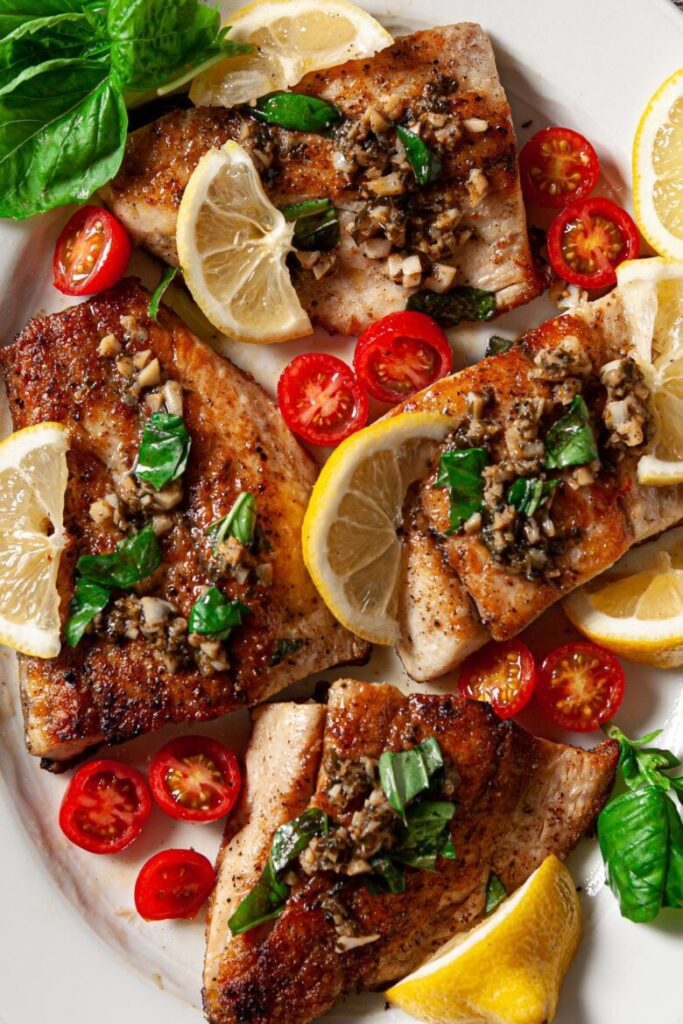
Barramundi, often called the “Asian sea bass,” have a meatier, firmer texture with a buttery taste. Popular in Australian and Asian cuisine, Barramundi is commonly pan-seared, baked, or steamed. Its high oil content keeps it moist, making it more forgiving to cook than Snook.
Best Cooking Techniques
- Snook: Best grilled, blackened, or made into tacos.
- Barramundi: Ideal for pan-searing, steaming, or Asian-style curries.
✅ Key Takeaway: Snook has a lighter, flakier texture, while Barramundi is richer and more versatile in cooking.
Florida Snook and Australia’s Barramundi are two of the most exciting game fish in the world, offering anglers a mix of power, agility, and rewarding fights. While they inhabit different regions, their similar ambush predation tactics, seasonal movements, and feeding habits make them comparable in many ways.
Snook require stealth and precise lure presentation, while Barramundi demand strong hook sets and patience. Both fish are excellent table fare, with distinct textures and flavors suited for a variety of dishes. Whether you’re fishing Florida’s estuaries or Australia’s tidal rivers, understanding these species enhances the angling experience.
✅ Final Thought: Snook and Barramundi provide unforgettable fishing adventures, making them must-target species for any serious angler.
For premium Snook apparel, visit:
Skiff Life’s Snook Collection.
For expert Snook fishing tips, check out:
Fishing for Summer Snook: Beach and Passes Edition.