Being based on the Gulf Coast, we are regularly asked by members planning a trip how the Red Tide is affecting a certain area. This article is intended to help provide a primer on Red tide and how it affects the coastal areas in relation to fishing, boating, beaches and overall visiting areas where Red tide exists.
Red tide is a naturally occurring phenomenon that has affected coastal waters in the United States for centuries. It refers to harmful algal blooms (HABs), where microscopic algae grow rapidly and release toxins that disrupt marine ecosystems and pose risks to human health. While red tide has been documented historically, recent decades have seen an alarming increase in both the frequency and severity of outbreaks, particularly along the Gulf Coast, Atlantic Coast, and parts of the Pacific Coast.

Several factors contribute to this growing problem. Naturally, red tide occurs due to ocean currents, temperature fluctuations, and seasonal upwellings. However, human activities have significantly worsened the situation, with increased pollution, agricultural runoff, and wastewater discharge fueling more intense blooms. Climate change is also playing a role, as warming ocean temperatures create more favorable conditions for toxic algae growth.
The impact of red tide extends far beyond environmental damage. It poses serious health risks to people with respiratory conditions, leads to mass fish kills, and disrupts coastal economies by damaging the fishing, tourism, and real estate industries. Governments and researchers are working on improving forecasting models and testing new mitigation strategies, but there is no easy solution. In many coastal regions, businesses and residents have been forced to adapt, with some areas seeing lasting economic consequences.
This article will explore the causes, historical outbreaks, economic consequences, and mitigation strategies for red tide across the U.S., while also linking to more location-specific articles focusing on regions like Florida, Naples, and Sarasota. Understanding these factors is key to addressing the long-term impacts of red tide and finding solutions to mitigate its effects.
What is Red Tide?
Red tide refers to harmful algal blooms (HABs), where microscopic algae multiply rapidly and produce toxins that disrupt marine ecosystems. The most well-known species responsible for red tide in the U.S. is Karenia brevis, found primarily in the Gulf of Mexico. However, HABs also occur in other regions due to different toxic algae, such as Alexandrium fundyense in the New England region and Pseudo-nitzschia along the Pacific Coast.
These blooms cause a visible discoloration of the water, often turning it red, brown, or green. The toxins released can be deadly to marine life and pose serious health risks to humans. Red tide can persist for weeks or even months, depending on environmental conditions, and its impact extends beyond fish kills to include seabirds, dolphins, and manatees. Shellfish are particularly vulnerable, as they accumulate toxins, making them dangerous for human consumption.

Key Causes of Red Tide:
- Natural factors: Ocean currents, temperature fluctuations, and seasonal upwellings naturally create conditions for algal blooms.
- Human factors: Agricultural runoff, wastewater discharge, and pollution increase nitrogen and phosphorus levels, fueling algal growth.
- Climate change: Rising sea temperatures and extreme weather events may be making red tide occurrences more frequent and severe.
How Red Tide Spreads:
- Wind and currents transport algae over large distances, leading to blooms in new areas.
- Storms and hurricanes can either break up or intensify red tide, depending on how nutrients are redistributed in the water.
- Ballast water from ships can introduce harmful algal species to new locations, contributing to outbreaks in previously unaffected areas.
Red tide outbreaks are most commonly associated with Florida’s Gulf Coast, but also occur in Texas, California, and New England. The economic and environmental consequences can be severe, affecting fisheries, tourism, and public health.
For a Florida-specific analysis, see: Florida Red Tide.
Historical Red Tide Events in the U.S.
Early Documented Outbreaks
Red tide has been observed for centuries, with early records dating back to the 1500s. Spanish explorers along the Gulf of Mexico documented reports of discolored water, mass fish die-offs, and mysterious respiratory ailments among settlers and Indigenous populations. These early observations align closely with modern descriptions of red tide, suggesting that harmful algal blooms have long been part of coastal ecosystems.
Indigenous oral histories also contain references to periodic fish kills and “poisoned waters,” supporting the idea that red tide was a recognized phenomenon before European colonization. Some historians believe Native American fishing practices were adapted to avoid times of year when toxic blooms were most common.
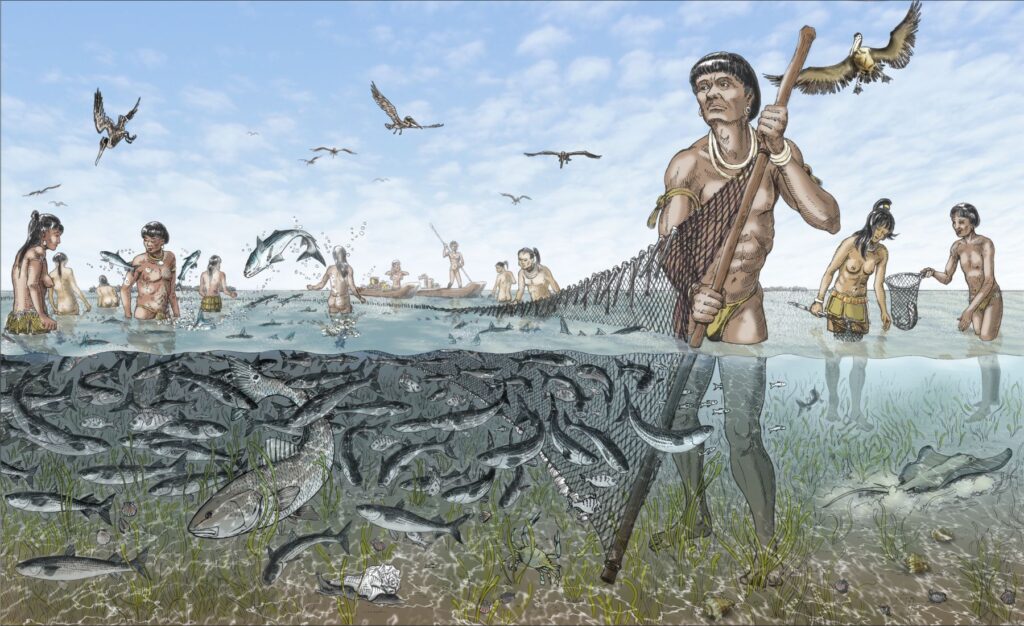
By the 1800s, scientific accounts of red tide began emerging. Early naturalists and marine biologists, such as those in Florida and the Gulf Coast, observed water discoloration events and connected them to massive marine life losses. However, the exact cause remained a mystery until the mid-20th century, when scientists first linked these outbreaks to microscopic algae producing harmful toxins.
Red tide became a well-documented issue in Florida by the 1940s, with frequent outbreaks affecting fisheries and coastal communities. The infamous 1946 Florida red tide event resulted in one of the first large-scale scientific investigations into harmful algal blooms.
Major U.S. Red Tide Events
Red tide outbreaks have been recorded in various parts of the U.S., causing severe economic and environmental damage. Some of the most significant events include:
- 1996-97 Gulf of Mexico: A prolonged red tide event caused thousands of marine animal deaths, including large fish kills and endangered sea turtles washing up along the coast. Fisheries in the region suffered millions of dollars in losses.
- 2007 New England Shellfish Ban: A harmful algal bloom (HAB) outbreak shut down shellfish harvesting across Maine, Massachusetts, and Rhode Island, leading to major economic losses in the seafood industry.
- 2015 Pacific Northwest Shellfish Ban: One of the largest HABs recorded along the U.S. West Coast, forcing Washington and Oregon to close shellfish fisheries. Scientists detected record-high toxin levels in shellfish populations.
- 2018 Florida Crisis: One of the worst outbreaks on record, lasting 16 months and causing over $8 billion in economic damage. Massive fish kills, dead manatees, and severe tourism losses devastated coastal businesses.
- 2021 Texas Red Tide: A severe outbreak along the Gulf Coast affected shrimping and oyster industries, resulting in fishery closures and environmental concerns. State officials increased water quality monitoring and research efforts in response.
As red tide events continue to affect coastal states, government agencies and researchers have increased funding for monitoring and prevention programs. Improved forecasting and mitigation efforts aim to reduce the impact of future outbreaks, but human-caused pollution remains a driving factor in worsening red tide occurrences.
For a detailed breakdown of Florida’s red tide outbreaks, visit: Red Tide Florida Beaches.
How Red Tide Forms & Spreads
Natural Causes of Red Tide
Red tide is a natural phenomenon driven by a combination of oceanographic and atmospheric conditions. These factors influence where and when harmful algal blooms (HABs) appear, how long they persist, and how severe they become.
One of the primary natural contributors to red tide is ocean temperature. Warmer waters create favorable conditions for algal growth, allowing blooms to develop and persist for extended periods. Studies show that climate change is altering sea surface temperatures, potentially making red tide outbreaks more frequent and severe.
Another significant factor is nutrient upwellings—deep-ocean currents that bring nutrient-rich water to the surface. In areas where these upwellings occur, such as off the coast of California, high nutrient availability fuels HAB formation.
Seasonal trends also play a major role. In Florida and the Gulf of Mexico, red tide outbreaks peak in late summer and fall, when ocean conditions are warmest and nutrient levels are high due to runoff from heavy seasonal rains.
Red tide behaviors differ across U.S. coasts. On the West Coast, red tide events are influenced by El Niño cycles and shifts in oceanic currents, while in the Atlantic and Gulf regions, hurricane activity and storm surges can either disperse or intensify blooms depending on nutrient availability.
Additionally, ocean eddies and wind patterns can concentrate blooms in certain areas, making the impact more severe in specific regions. Researchers have observed that prolonged calm winds can allow blooms to accumulate near shorelines, worsening their effects on marine life and human activities.

Human-Exacerbated Factors
While red tide occurs naturally, human activities have intensified its frequency and severity. Excess nutrient pollution from land-based sources fuels harmful algal growth, creating more persistent and toxic blooms.
A key contributor is urban runoff. In coastal cities, rainwater carries pesticides, fertilizers, and waste into waterways, supplying harmful algae with excess nitrogen and phosphorus. Studies have found that areas with high urbanization experience longer-lasting and more intense red tide outbreaks due to this nutrient loading.
Another major factor is agricultural runoff. Large-scale farming operations use fertilizers rich in nitrogen and phosphorus, which leach into rivers and flow into the ocean. This problem is especially prevalent in Florida, Louisiana, and California, where major agricultural regions are located near coastal waterways.
Failing septic systems and sewage leaks also play a role. Septic tanks and wastewater treatment plants that do not properly filter out nutrients contribute to worsening HABs. In states like Texas and Florida, communities near the coast have seen increasing red tide severity linked to aging septic infrastructure.
Industrial waste is another contributing factor. Some manufacturing and processing plants discharge excess nutrients into local waterways, further fueling algal blooms. Studies have shown that industrial discharges significantly elevate nitrogen and phosphorus levels, worsening red tide outbreaks in certain coastal zones.
Recognizing the role of human influence, state and federal agencies have implemented new pollution reduction efforts. Programs like nutrient management plans, coastal buffer zones, and stormwater filtration systems are being developed to curb excess nutrient pollution and lessen the severity of red tide.
Several regions have seen early success with mitigation efforts. In California, for example, stricter regulations on agricultural runoff have helped reduce nutrient levels in coastal waters. In Florida, local governments have begun upgrading wastewater treatment plants to better filter out excess nutrients, aiming to reduce red tide severity over time.

For Florida’s pollution-related red tide challenges, see: Red Tide Sarasota.
Economic Impact of Red Tide
Red tide has devastating economic effects on coastal communities, particularly those dependent on fishing, tourism, and real estate. Each outbreak leads to significant financial losses, with some events causing billions of dollars in damages. The impact extends beyond immediate closures, affecting long-term economic stability and local job markets. Recovery from major outbreaks often takes years, with some industries never fully rebounding.
Impact on Fishing Industry
The fishing industry is one of the hardest hit by red tide. Blooms of toxic algae kill vast numbers of fish, shellfish, and other marine organisms, leading to declining fish stocks, shellfish bans, and fishing closures.
- Mass fish kills: Red tide toxins cause large-scale fish die-offs, affecting commercial fishers who rely on species like red drum, grouper, snapper, and mullet. In severe cases, entire fishing seasons can be lost.
- Shellfish industry losses: States like Maine, Massachusetts, and Florida experience frequent shellfish closures due to red tide, as toxins accumulate in oysters, clams, and mussels, making them dangerous for human consumption. The 2015 shellfish ban along the Pacific Coast led to millions in lost revenue.
- Charter fishing industry struggles: Recreational fishing businesses suffer when tourists cancel trips due to concerns over dead fish and water toxicity. The Florida charter industry reported a 40% drop in bookings during major outbreaks.
- 2018 Florida Red Tide Impact: This outbreak alone led to $8.1 billion in economic losses, including millions in losses for shrimpers, crabbers, and commercial fishers. Recovery took more than two years in some areas.
- Federal Assistance Programs: After major red tide outbreaks, some affected regions receive federal aid through disaster relief funding, but financial assistance is often slow to arrive. Fishers and seafood processors must apply for aid while struggling with lost income and disrupted supply chains.
- Long-Term Economic Consequences: Some coastal fisheries have permanently reduced their catch limits due to declining fish stocks after severe red tide events. In some cases, species populations take years to recover, prolonging economic hardships.
- Government & Non-Profit Recovery Efforts: Some relief programs provide low-interest loans and grants to affected fisheries, while non-profit organizations work to help fishers transition to sustainable aquaculture to reduce reliance on at-risk wild stocks.

Impact on Tourism & Coastal Businesses
Red tide significantly impacts coastal tourism, which is a major revenue generator for many states.
- Hotel cancellations: When red tide warnings are issued, tourists cancel reservations, leading to financial losses for hotels, resorts, and vacation rentals. Some coastal areas reported occupancy declines of 50% or more during prolonged outbreaks.
- Beach closures: Severe outbreaks force authorities to close beaches due to health concerns, discouraging visitors.
- Marinas and rental businesses suffer: Water sports, boat rentals, and dive tourism decline sharply during red tide events, with some businesses shutting down temporarily.
- Restaurants and seafood markets lose business: Red tide reduces consumer confidence in local seafood, causing financial strain for restaurants and seafood vendors.
- Case Studies from Other States: While Florida is often the most affected, states like California and Texas have also suffered significant economic losses due to red tide. In Texas (2021), an outbreak forced temporary closures of shrimping areas, leading to millions in lost revenue and supply chain disruptions for seafood markets nationwide.
- Tourism Recovery Efforts: Some coastal tourism boards invest in marketing campaigns to rebuild confidence in their destinations. Promotional discounts, social media outreach, and eco-tourism programs help revive tourism after major red tide events.
During the 2018 Florida red tide outbreak, some coastal towns reported a 30% decline in tourism revenue, affecting businesses beyond the fishing industry. A study conducted in Sarasota, Florida, found that small businesses near the water saw a 60% decline in foot traffic during peak bloom periods.
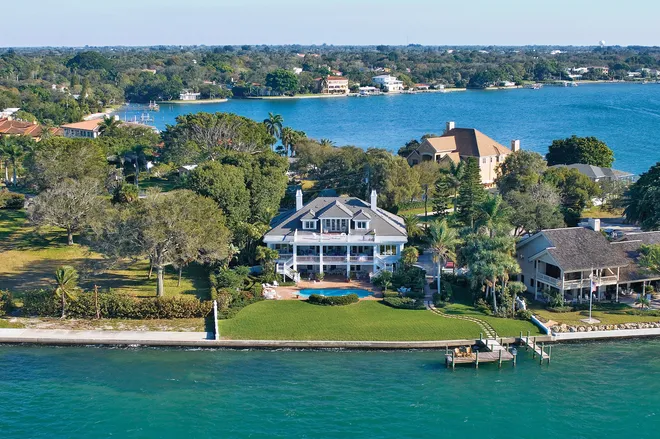
Real Estate & Property Value Decline
- Beachfront property values drop: Frequent red tide events lower property demand in affected regions, reducing real estate prices by as much as 15% in some areas.
- Higher maintenance costs: Red tide results in increased cleanup expenses for local governments, which often require tax hikes or emergency funding to deal with tons of dead fish washing ashore.
- Home insurance concerns: As red tide becomes more frequent, insurers may increase rates for properties near affected coastal areas.
- Long-Term Market Effects: Real estate agents report that homes in red tide-prone regions take longer to sell, as potential buyers factor in potential future outbreaks.
- Homeowner Adaptation Strategies: Some coastal homeowners have started offering seasonal rental discounts during peak red tide months to offset financial losses. Others are advocating for government-backed property value protections in frequently affected areas.
- Government Response & Relief Programs: Some state governments have introduced property tax relief for affected homeowners, while others have launched grant programs to help mitigate losses. In high-risk areas, new property development regulations are being proposed to prevent overbuilding in zones frequently impacted by red tide.
For a deeper look at Florida’s economic struggles, see: Red Tide Naples Florida.
Myths & Misconceptions About Red Tide
There are many misconceptions about red tide, ranging from its origins to its health effects. These misunderstandings contribute to public confusion and misinformation, affecting both policy decisions and individual actions.
Myth #1: Red Tide is a New Phenomenon
Some people believe red tide is a modern issue caused entirely by human pollution. While nutrient pollution worsens outbreaks, historical records indicate that red tide has existed for centuries.
- Early Spanish explorers documented fish kills along the Gulf of Mexico as far back as the 1500s.
- Indigenous tribes in Florida and the Gulf region have oral histories describing periodic marine life die-offs.
- The first scientific observations of red tide in the U.S. date back to the mid-1800s.
However, the frequency and intensity of red tide outbreaks have increased due to runoff from fertilizers, wastewater, and urban development, which add nutrients to the ocean, creating ideal conditions for harmful algal blooms.
Myth #2: Red Tide is Only a Florida Problem
While Florida is one of the most frequently affected areas, red tide occurs in multiple U.S. coastal states and globally.
- The Gulf of Mexico experiences frequent blooms, but outbreaks also occur on the West Coast, New England, and Texas.
- The Pacific Northwest experiences toxic algal blooms that force shellfish closures.
- Red tide has been documented in Australia, Japan, and the Mediterranean Sea.
Though Florida has gained national attention due to its tourism and fishing industries, other regions suffer economic and ecological consequences from harmful algal blooms as well.
Myth #3: Red Tide is Caused by Oil Spills and Industrial Waste
A common misconception is that red tide is directly caused by oil spills or industrial waste dumping. While pollution exacerbates red tide, these blooms are naturally occurring events triggered by a combination of oceanographic and climatic conditions.
- Oil spills and industrial pollution do not directly cause red tide but can worsen it by contributing nutrients to the water.
- Red tide blooms originate offshore, not in industrial areas, forming 50+ miles from the coast before being carried to shore by currents.
- While toxic algae growth is fueled by excess nutrients, it is primarily driven by warm water temperatures, upwellings, and seasonal cycles.
Myth #4: Red Tide is Safe to Swim In
While red tide is not always visible, its toxins can cause respiratory irritation, skin rashes, and eye irritation in humans.
- People with asthma or respiratory conditions are at greater risk of experiencing breathing difficulties.
- Inhaling airborne toxins from red tide can lead to coughing, throat irritation, and shortness of breath.
- Swimming during a red tide event can cause skin irritation, particularly for those with sensitive skin.
Local health departments often issue warnings advising people to avoid swimming in affected waters. Pets are also at risk, as consuming contaminated water or fish can be harmful.
Myth #5: Red Tide Can Be Eliminated with Chemicals
Some believe that red tide blooms can be killed off with chemicals or artificial solutions, but this is not a viable option.
- Chemical treatments could harm marine life and disrupt ecosystems by killing both harmful and beneficial algae.
- Red tide blooms often occur over thousands of square miles, making large-scale treatment impractical and costly.
- Natural controls, such as ocean currents and weather patterns, eventually disperse red tide, though the process can take weeks or months.
Scientists continue to research mitigation strategies, but preventing nutrient pollution is currently the most effective way to reduce the severity of future outbreaks.
For more information about regional impacts, visit: Red Tide Florida Beaches.
Red tide is a naturally occurring phenomenon that has been recorded for centuries, but human activities have intensified its frequency and severity. While coastal communities, tourism, and marine life suffer greatly from red tide, there are strategies to mitigate its impact.
Addressing nutrient pollution is one of the most effective ways to reduce the severity of red tide. Homeowners, farmers, and businesses can help by:
- Reducing fertilizer use and following best practices to prevent runoff into waterways.
- Maintaining septic systems to prevent excess nutrients from seeping into groundwater.
- Disposing of yard waste responsibly to avoid excess organic material entering storm drains.
Public awareness and policy-driven solutions play a critical role in managing red tide. Investments in water quality monitoring, stricter pollution controls, and coastal conservation can help reduce the frequency of severe outbreaks. Scientists continue to research new mitigation techniques, such as bioremediation efforts that could naturally control harmful algae populations without disrupting ecosystems.
Long-term monitoring and research efforts will be crucial in understanding how climate change influences red tide patterns and how future outbreaks can be predicted and mitigated. Public engagement is also essential, as informed citizens can advocate for stronger environmental protections and support legislation aimed at improving coastal water quality.
While red tide cannot be eliminated, better environmental stewardship and science-driven solutions can protect marine life, coastal economies, and public health.
For more insights on red tide management efforts, visit: Florida Red Tide.
This article would not be possible without the help of the following resources:
- NOAA. “Harmful Algal Blooms – Red Tide.” NOAA HAB Monitoring
- Florida Fish and Wildlife Conservation Commission. “Red Tide Status Reports.” FWC Red Tide Updates
- Calusa Waterkeeper. “Harmful Algae and Red Tide Testing.” Calusa Waterkeeper