
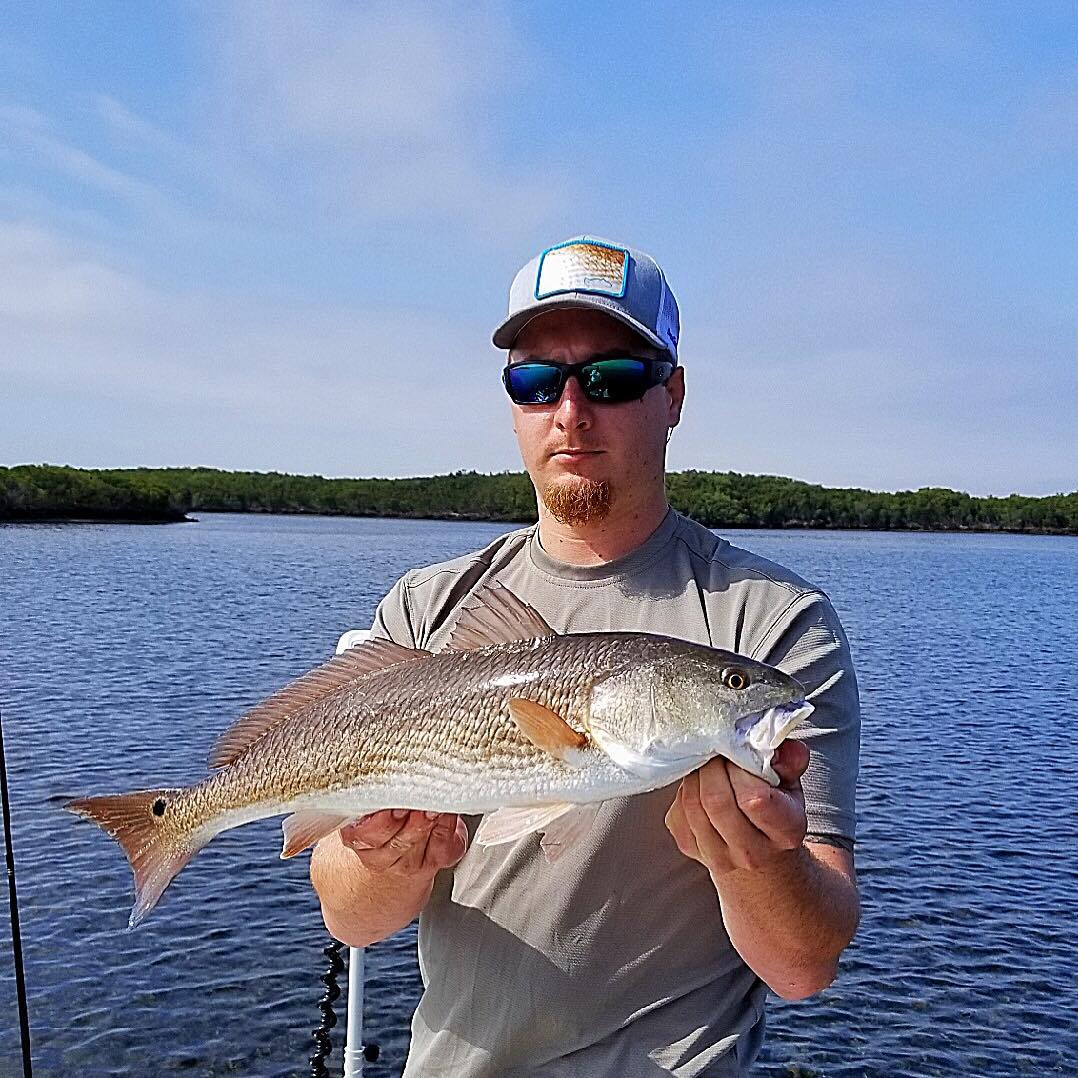
Brandon Mellies says: Spotted this red tailing today in about 8 inches of water he decided to have his picture taken in the Nature Coast.
Fishing for Tailing Redfish Along the Nature Coast in Florida
Florida’s Nature Coast is one of the last unspoiled fishing paradises in the state, offering anglers incredible inshore fishing opportunities in a vast network of shallow flats, mangrove-lined creeks, and oyster-studded shorelines. This area, stretching from Wakulla County down to Hernando County, is home to one of the most sought-after game fish in the region—redfish.
Unlike heavily developed coastlines further south, the Nature Coast remains a sanctuary for fish and wildlife alike. The region’s clear, shallow waters provide the perfect habitat for redfish, which thrive in environments rich in seagrass, baitfish, and crustaceans. Anglers can expect to see redfish cruising the flats, pushing water in search of food, or tailing in the shallows as they dig for crabs and shrimp.
One of the greatest aspects of fishing the Nature Coast is the variety of fishing methods available. Whether you prefer fishing from a flats skiff, drifting through creeks in a kayak, or wading the grass flats, the opportunity to catch redfish is ever-present. The region’s commitment to conservation has also played a crucial role in maintaining a strong redfish population, with many anglers practicing catch-and-release to preserve the fishery.
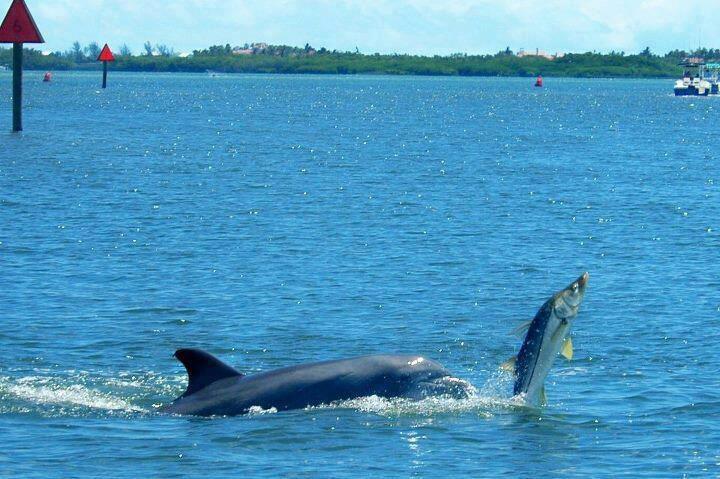
Beyond fishing, the Nature Coast is rich in biodiversity. Anglers are often treated to sightings of dolphins, manatees, and a variety of bird species, making every trip a complete outdoor experience. The interconnected estuaries and marshlands create a thriving ecosystem where fish and other wildlife flourish year-round. This rich biodiversity is what makes the Nature Coast such a prime fishing destination, as the abundance of life ensures that redfish have everything they need to grow and thrive.
For those new to fishing in this area, local knowledge is key. Hiring a seasoned guide can make a significant difference in learning how to navigate the region’s tricky tidal systems and where to find the best fishing spots. Understanding the tides, the movement of baitfish, and how redfish react to different weather conditions is essential for a successful trip. While some areas remain accessible throughout the day, others require careful timing, as low tides can expose oyster beds and sandbars, making navigation challenging.
Another advantage of fishing along the Nature Coast is the lack of heavy boating traffic compared to more developed parts of Florida. With fewer large boats and jet skis disturbing the water, anglers have more opportunities to target redfish in a more natural setting. The reduced pressure also means that the fish tend to be less wary, making sight fishing a thrilling and rewarding experience.
Redfish are known for their hard-fighting nature, making them an exciting challenge for anglers of all skill levels. Whether fishing with artificial lures, live bait, or even a fly rod, the key to success is understanding redfish behavior and adapting to the conditions. Patience and stealth are often required, especially when targeting tailing redfish in shallow waters. A well-placed cast and a subtle presentation can make all the difference between a successful hookup and spooking the fish.
Fishing along the Nature Coast is not just about catching fish—it’s about experiencing one of Florida’s most beautiful and preserved coastal regions. The combination of world-class fishing, stunning scenery, and abundant wildlife makes every trip a memorable one. With proper conservation efforts and responsible angling practices, this region will continue to offer incredible fishing experiences for generations to come.
Boating & Navigating the Nature Coast
Fishing the Nature Coast requires an understanding of its unique waterways, which consist of shallow flats, winding tidal creeks, and hidden oyster bars. Navigating these waters successfully requires knowledge of tides, the right type of boat, and an awareness of environmental factors that can impact both safety and fishing success.

Choosing the Right Boat
Since much of the Nature Coast consists of shallow flats and narrow creeks, selecting the right vessel is crucial. The best options include:
- Flats Skiffs: Specifically designed for poling across shallow water and sight-fishing.
- Bay Boats: A versatile option that allows access to both shallow flats and deeper channels.
- Kayaks & Paddleboards: Silent and highly maneuverable, ideal for getting into hard-to-reach areas where motorized boats cannot go.
Best Boat Ramps & Access Points
There are numerous boat ramps along the Nature Coast that provide excellent access to redfish waters:
- Homosassa River Launch: A top choice for those looking to fish expansive flats and backwater creeks.
- Crystal River Ramp: Provides access to a mix of freshwater and saltwater, ideal for targeting a variety of species.
- Chassahowitzka River: A remote launch point perfect for anglers seeking solitude and access to prime redfish habitat.
Navigational Challenges & Safety Tips
Boaters in this region must be prepared for certain challenges:
- Tide Awareness: Some flats and creeks become impassable during low tide, requiring careful trip planning.
- Oyster Bars & Sandbars: These can be hazardous to boats and engines if not navigated carefully.
- Changing Weather Conditions: Afternoon thunderstorms are common in Florida, making it important to monitor weather forecasts.
- Seagrass Protection: Seagrass beds are vital to the ecosystem, and boaters should avoid damaging them by trimming motors in shallow areas or using push poles.
Best Practices for Boating in the Nature Coast
- Use a GPS & Marine Charts: Navigation tools like Navionics can help boaters find the best routes and avoid hazards.
- Plan Around Tides: Understanding tidal movements is key to accessing productive fishing spots without getting stranded.
- Keep a Safe Speed: Shallow waters and hidden obstacles require slower speeds to ensure safety.
- Respect Other Anglers & Wildlife: Giving space to wading anglers, kayakers, and local wildlife helps maintain a positive fishing experience for all.
Navigating the Nature Coast can be challenging, but with the right approach, boaters can safely explore and access some of Florida’s best redfish fishing grounds.
Understanding Redfish Habitat
To successfully target redfish along the Nature Coast, anglers must understand the different habitats these fish frequent. Redfish are highly adaptable, but they prefer specific environments that offer food, shelter, and protection from predators.

Seagrass Beds: Prime Feeding Grounds
Seagrass beds are essential ecosystems that support a diverse range of marine life. Redfish are commonly found in these areas due to the abundance of shrimp, crabs, and baitfish. These grassy meadows provide cover, making it easier for redfish to ambush prey. The key to fishing seagrass beds effectively is to locate sandy potholes within the grass, as redfish use these areas to corral bait.
Oyster Bars & Mud Flats: Productive Hotspots
Oyster bars and mud flats are highly productive fishing spots. Oyster bars attract baitfish, which in turn draw hungry redfish. During tidal changes, redfish move around these areas looking for an easy meal. Mud flats, particularly those that retain heat, are excellent places to find redfish in cooler months. When the sun warms the shallow mud, redfish seek these areas to regulate their body temperature.
Mangrove Shorelines & Tidal Creeks
Mangroves provide shelter and food, making them ideal locations to find redfish, particularly on higher tides. Redfish push deep into mangrove roots, hunting for small crabs and shrimp. Tidal creeks serve as pathways for redfish, allowing them to move between feeding grounds and deeper waters depending on the tide and season. Fishing tidal creek mouths during a falling tide can be highly productive, as baitfish are naturally funneled out, creating prime feeding opportunities.
Seasonal Redfish Movements
Understanding seasonal movements is key to consistently finding redfish:
- Spring & Summer: Redfish spread across the flats, feeding actively throughout the day.
- Fall: Cooler temperatures trigger aggressive feeding behavior before winter, often leading to large schools of redfish moving together.
- Winter: Redfish move into deeper holes and creeks where water temperatures remain stable, often grouping together in specific locations for warmth.
The Impact of Tides on Redfish Habitat
Tides play a significant role in redfish behavior. On an incoming tide, redfish push onto flooded flats and into mangroves, taking advantage of new feeding opportunities. During outgoing tides, they position themselves near creek mouths, oyster bars, and deeper edges of flats to ambush baitfish being pulled out by the current. Paying attention to tidal cycles is crucial when planning a fishing trip.
Factors That Affect Redfish Location
Several factors influence where redfish will be found on any given day:
- Water Clarity: Clearer water allows for better sight-fishing opportunities, while murkier water requires a different approach, such as using scent-based baits.
- Wind & Weather Conditions: Wind can push baitfish into certain areas, attracting redfish to those locations.
- Water Temperature: Redfish prefer stable temperatures, and during cold fronts, they will seek out deeper water for warmth.
Redfish Behavior & Seasonal Strategies
Redfish are one of the most predictable yet challenging inshore species to target along Florida’s Nature Coast. Their behavior shifts based on environmental factors, such as tide movement, temperature, and food availability. Anglers who understand these behavioral patterns will have a better chance at successfully locating and catching redfish year-round.
Daily Feeding Patterns
Redfish are opportunistic feeders, meaning they will eat whenever the opportunity presents itself. However, their feeding behavior is influenced by several factors:
- Early Morning & Late Afternoon: Redfish are most active during low-light conditions when temperatures are more comfortable, making these prime times to target them.
- Midday (Warmer Months): During the heat of the day, redfish often retreat to deeper waters or shaded areas like mangroves to stay cool. Sight fishing becomes more challenging during this time.
- Overcast Days: Cloud cover extends their feeding window, allowing for a longer period of active movement on the flats.
How Water Temperature Affects Behavior
- Cold Weather: In winter, redfish move into deeper creeks, holes, and mud flats where water temperatures are more stable. Their metabolism slows, meaning they feed less aggressively.
- Warm Weather: In spring and summer, redfish roam shallow flats in search of food. They become more active and are more willing to chase bait.
Seasonal Behavior Changes
Redfish patterns shift throughout the year as they adjust to changing conditions:
- Spring: Warmer temperatures trigger increased movement across the flats. This is one of the best times to catch redfish as they actively feed on shrimp and small baitfish.
- Summer: Redfish seek cooler water during the heat of the day, often holding near channels, deeper grass flats, and mangrove edges.
- Fall: This is a peak feeding time as redfish bulk up before winter. Schools of redfish are more common, and aggressive feeding occurs before temperatures drop.
- Winter: Cold fronts push redfish into deeper estuaries and backwater creeks where water temperatures are stable. Fishing slow-moving baits is the key to success in winter.
Best Tides for Catching Redfish
Tide movement significantly impacts redfish activity. Understanding how to fish each stage of the tide can improve success rates:
- Incoming Tide: As water levels rise, redfish move onto shallow flats and push into mangrove shorelines in search of crabs, shrimp, and baitfish.
- High Tide: This is an excellent time for fishing near mangroves and oyster bars, as redfish take advantage of the increased water levels to forage in areas that were previously inaccessible.
- Outgoing Tide: Redfish position themselves at creek mouths, channels, and cuts where baitfish are being pulled out by the current. This is one of the most productive times to fish.
- Low Tide: During extremely low tides, redfish concentrate in deeper pockets and channels, making them easier to locate but sometimes harder to catch if they become lethargic.
The Influence of Wind & Weather
- Wind Direction: Wind can push baitfish into certain areas, which in turn attracts redfish. A steady wind from one direction for multiple days can create predictable feeding zones.
- Storms & Pressure Systems: Redfish often feed aggressively before a storm due to the drop in barometric pressure. However, after a cold front, they may become sluggish and require slower presentations.
- Extreme Heat: When water temperatures become too hot, redfish seek deeper, cooler water or shade under mangroves.
Bait & Lure Selection for Each Season
Matching your bait to the season can greatly increase your chances of success:
- Spring & Summer: Soft plastic shrimp and paddle tails on jig heads work well. Topwater lures are also effective early in the morning.
- Fall: Baitfish patterns are key. Mullet-imitating lures and live bait like pilchards work best.
- Winter: Slow-moving presentations are crucial. Small shrimp lures, suspending jerkbaits, and live shrimp fished near the bottom are highly effective.
How Redfish Respond to Pressure
As more anglers target redfish, they become increasingly wary of artificial lures and even live bait presentations. To improve success:
- Use Stealth: Poling a skiff instead of running a trolling motor can prevent spooking fish.
- Longer Leaders: In clear water, using longer fluorocarbon leaders (20-30 lb test) helps reduce line visibility.
- Downsizing Lures: If redfish seem hesitant, using smaller baits or natural presentations can trigger more bites.
Best Fishing Tactics & Gear
Having the right gear and using the most effective tactics is key to consistently catching redfish along the Nature Coast. Understanding what rods, reels, lines, and bait to use, along with proper fishing techniques, will maximize success when targeting these hard-fighting fish.
Rod & Reel Selection
- Spinning Rods (7’ to 7’6” Medium-Light to Medium Power): These provide the perfect balance of sensitivity and casting distance, allowing anglers to present lures naturally.
- Reels (2500-4000 Series): A smooth drag system is essential when fighting powerful redfish.
- Line Choice:
- Braided Line (10-20 lb. test): Offers superior strength and sensitivity for detecting subtle bites.
- Fluorocarbon Leader (20-30 lb. test): Essential for clear water conditions and reducing line visibility.
Artificial Lures vs. Live Bait
Artificial Lures:
- Soft Plastics (Shrimp & Paddle Tails): These mimic natural prey and work exceptionally well when retrieved slowly across the flats.
- Topwater Lures: Effective during early morning and late evening when redfish are aggressively feeding.
- Spoons: Gold or silver spoons create flash and vibration that attract redfish from a distance.
- Jerkbaits & Twitchbaits: Ideal for sight fishing in clear water, mimicking injured baitfish.
Live Bait:
- Shrimp: A go-to option for targeting redfish in any condition.
- Mullet & Pilchards: Great for larger redfish, especially in deeper waters.
- Crabs: Perfect for tailing redfish in the shallows, as they are a natural part of their diet.
Presentation & Retrieval Techniques
- Slow & Steady Retrieval: Works best with paddle tails and shrimp imitations.
- Twitch & Pause: Effective with jerkbaits, triggering reaction strikes.
- Drifting & Casting: Drifting with the tide while casting ahead of the boat can cover more water and locate feeding fish.
- Sight Fishing: Best in clear water conditions where redfish can be targeted visually before making a cast.
Fly Fishing for Redfish
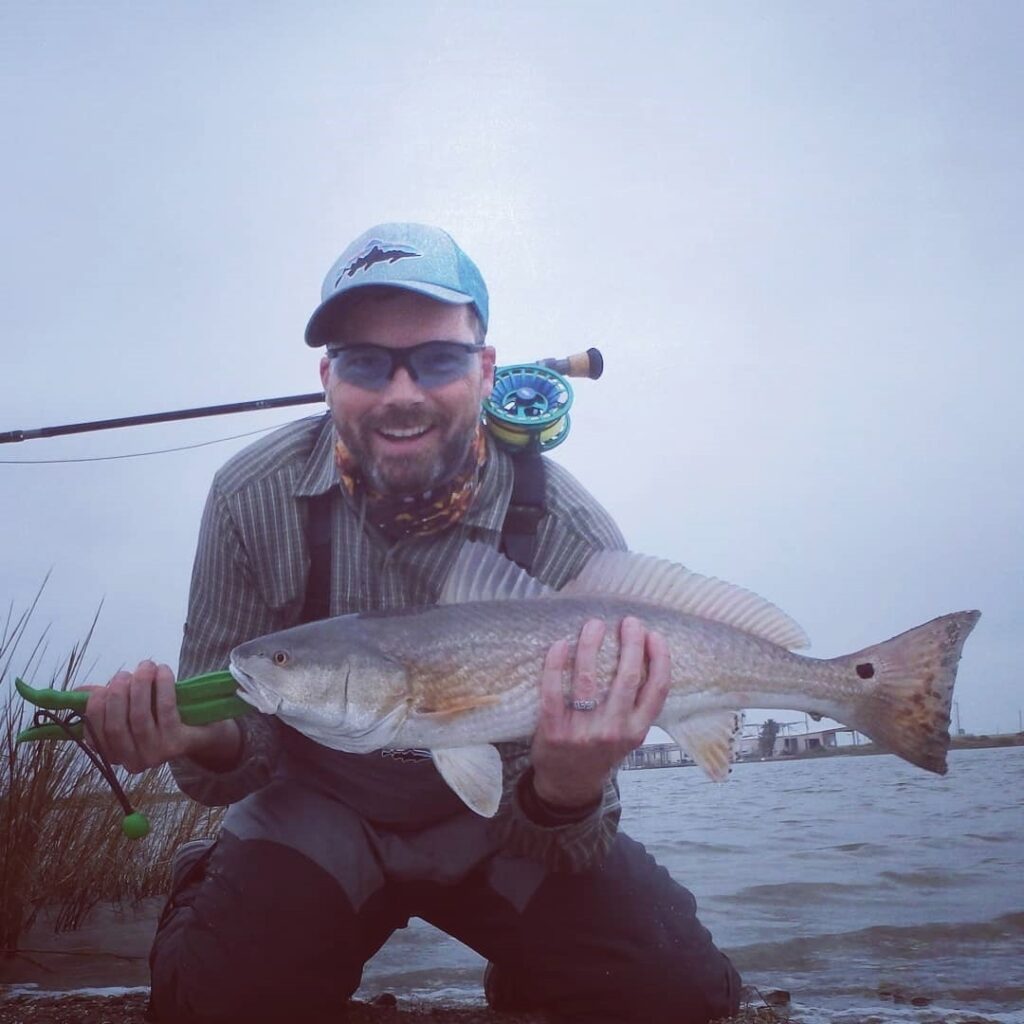
For fly anglers, redfish present an exciting challenge:
- Rod Choice: 7 to 9-weight fly rods provide the power needed to handle these fish.
- Fly Selection:
- Crab & Shrimp Patterns: These imitate natural forage in shallow waters.
- Baitfish Streamers: Work well for aggressive redfish chasing mullet schools.
- Presentation: A slow, natural retrieve works best, allowing redfish to track and commit to the fly.
Fishing Tactics Based on Conditions
- Clear & Calm Conditions: Downsizing baits and using natural colors improves success.
- Windy Days: Using heavier lures or live bait helps maintain control and accuracy.
- Murky Water: Scented baits, rattling lures, or live shrimp increase visibility.
Time of Day & Seasonal Considerations
- Early Morning & Late Evening: Topwater lures and active presentations work best.
- Midday: Redfish retreat to deeper areas, requiring slower retrieves and bottom-hugging baits.
- Spring & Fall: Redfish are most active, feeding aggressively throughout the day.
- Winter: Slow presentations with shrimp or crab imitations are necessary as redfish become more lethargic.
Locating & Approaching Redfish
Finding redfish consistently requires understanding their preferred habitats, reading water conditions, and using stealthy approaches to avoid spooking them. Learning to locate redfish based on tides, seasons, and environmental factors will greatly improve your success rate when fishing along Florida’s Nature Coast.
Where to Find Redfish
Redfish are highly adaptable, but they favor specific areas depending on the season and tidal movement. Key locations include:
- Grass Flats: Large seagrass beds provide cover and abundant food sources, making them prime feeding grounds.
- Oyster Bars: These areas attract baitfish and crustaceans, making them natural redfish hotspots.
- Mangrove Shorelines: Redfish move into mangrove roots on high tides to forage for crabs and shrimp.
- Tidal Creeks & Estuaries: These areas offer redfish shelter from predators and varying salinity levels that support a diverse food supply.
- Sandbars & Drop-offs: Redfish often cruise along sandbars, especially during tidal shifts.
Using Tides to Your Advantage
Tide movement is one of the most critical factors in locating redfish:
- Incoming Tide: Redfish move into shallower water, feeding aggressively along flooded shorelines, grass flats, and oyster bars.
- High Tide: Fish spread out into mangrove roots and seagrass beds, requiring precise casting into structure.
- Outgoing Tide: Redfish position themselves near creek mouths, channels, and deeper edges of flats to ambush bait being pulled out by the current.
- Low Tide: During extreme low tides, redfish congregate in deeper holes, making them easier to find but sometimes more cautious.
Stealth & Approach Techniques
Redfish are wary fish, and careless movement can easily spook them. Using the right approach significantly increases success rates:
- Poling Instead of Using a Motor: In shallow flats, using a push pole rather than a trolling motor reduces noise and vibrations that can scare fish away.
- Drifting with the Wind: Letting the wind and tide carry your boat naturally prevents unnecessary disturbances.
- Keeping a Low Profile: Avoid standing abruptly or making sudden movements that may alert redfish to your presence.
- Casting from a Distance: Making longer casts with accurate placement ensures that the bait lands naturally in a redfish’s strike zone without alarming it.
- Wading Quietly: When fishing on foot, move slowly and avoid kicking up mud, which can make fish more cautious.
Signs of Feeding Redfish
Being able to identify the signs of feeding redfish can drastically improve your success:
- Tailing: When redfish feed in shallow water, their tails often break the surface as they dig for crabs and shrimp.
- Wakes & Pushes: Moving redfish create noticeable wakes, particularly when traveling in schools.
- Nervous Baitfish: If baitfish are scattering or jumping out of the water, redfish are likely in the area.
- Flashes of Copper: Sunlight reflecting off redfish scales can reveal their presence in clear water.
Best Conditions for Sight Fishing
Sight fishing for redfish is one of the most rewarding techniques, but it requires ideal conditions:
- Clear, Sunny Days: Sunlight helps anglers spot redfish in the shallows more easily.
- Low Wind: Calm waters allow for better visibility and easier casting.
- Shallow Water (1-3 Feet): Redfish in shallow water are easier to see and more likely to be feeding.
Adjusting to Weather & Water Conditions
- Cloudy or Overcast Days: Look for subtle water movement and use lures that create vibration to attract redfish.
- Windy Conditions: Position yourself to cast with the wind, reducing splash and improving accuracy.
- Murky Water: Redfish rely more on smell and sound, so use scented baits and rattling lures.
Common Mistakes & How to Avoid Them
Avoiding these common mistakes will help you land more redfish:
- Casting Too Close to the Fish: A sudden splash can spook feeding redfish. Aim a few feet ahead and retrieve naturally.
- Ignoring Tidal Movements: Fishing stagnant water when the tide isn’t moving reduces chances of success.
- Using Heavy Leaders in Clear Water: A thick leader can make redfish wary. Use 20-30 lb fluorocarbon in clear conditions.
- Being Too Loud in a Boat: Sudden noises, such as dropped gear or loud talking, can send redfish fleeing
Conservation & Responsible Angling
Ensuring the longevity of the redfish population along Florida’s Nature Coast requires ethical angling practices and conservation efforts. By understanding proper catch-and-release techniques, respecting habitats, and adhering to regulations, anglers can contribute to a sustainable fishery for future generations.
Catch-and-Release Best Practices
Redfish are a resilient species, but improper handling can increase mortality rates even after release. Follow these guidelines to minimize stress and injury:
- Use Barbless Hooks: Reduces damage to the fish’s mouth and makes for easier removal.
- Limit Air Exposure: Keep redfish in the water as much as possible to prevent stress.
- Handle with Wet Hands: Dry hands can remove the protective slime coating that helps prevent infections.
- Support the Fish Properly: Always use two hands, supporting the belly and tail to avoid internal damage.
- Revive the Fish Before Release: If a redfish appears lethargic, hold it in the water facing the current to help it regain strength before letting it go.
Understanding Redfish Regulations
Florida has strict regulations in place to maintain a healthy redfish population:
- Slot Limit: Redfish must be between 18-27 inches to be legally harvested.
- Bag Limit: Anglers are allowed one redfish per person per day in most areas.
- No-Harvest Zones: Some regions along the Nature Coast have restrictions to protect breeding populations.
- Seasonal Closures: Be aware of temporary bans during conservation efforts.
Protecting Seagrass Beds & Estuaries
Redfish rely on healthy habitats for survival, and human activity can damage fragile ecosystems. Anglers should take extra care in these areas:
- Avoid Prop Scarring: Seagrass beds are essential for marine life. When running a boat, trim up the motor or use a push pole in shallow areas.
- Stay on Marked Channels: Prevent unnecessary damage by using designated boating lanes.
- Minimize Anchor Damage: Using a trolling motor or shallow water anchor prevents scarring of sensitive areas.
Reducing Pollution & Marine Debris
Keeping the waters clean helps maintain a thriving ecosystem. Simple actions go a long way:
- Pack Out Trash: Always bring back everything you take onto the water.
- Use Biodegradable Fishing Line: Reduces long-term environmental impact.
- Avoid Single-Use Plastics: Bring reusable water bottles and storage containers.
The Role of Anglers in Conservation Efforts
Every angler plays a role in protecting redfish populations:
- Report Poaching: Illegal harvesting harms fish stocks. Call FWC’s Wildlife Alert Hotline if you witness violations.
- Participate in Tagging Programs: Help scientists track redfish migration patterns by reporting tagged fish.
- Support Local Conservation Organizations: Groups like the Coastal Conservation Association (CCA) work to protect inshore fisheries.
Sustainable Fishing Ethics
Sustainable fishing means balancing enjoyment with conservation. Best practices include:
- Only Keeping What You Need: Avoid unnecessary harvests.
- Educating Fellow Anglers: Sharing knowledge ensures ethical fishing habits spread.
- Respecting Other Anglers & Wildlife: Avoid crowding spots and be mindful of the environment.
Check out our article on Florida redfish fishing for even more tips.

?✔️
?
Nice!
??