

Emily Edwards says: North Carolina time…drum time ⏰
Introduction
North Carolina’s marshlands offer some of the best Redfish (Red Drum) fishing on the East Coast. Whether you’re fishing the shallow flats, tidal creeks, or expansive estuaries, understanding Redfish behavior, prime fishing locations, and the best tactics will increase your success. This guide provides everything you need to know about targeting Redfish in 2025, from seasonal movement patterns to bait selection and conservation tips.
Redfish vs. Red Drum: Are They the Same?
Redfish and Red Drum are two names for the same species: Sciaenops ocellatus. The name “Red Drum” originates from the drumming sound they produce when communicating or spawning. In North Carolina, anglers commonly refer to them as Redfish. Regardless of the name, these fish are known for their hard-fighting nature and their importance to the state’s inshore fisheries.
Best Seasons to Catch Redfish in North Carolina
Understanding Redfish movements throughout the year is crucial for success:
- Spring (March-May): As temperatures rise, Redfish move into shallow waters, feeding on shrimp and baitfish.
- Summer (June-August): Early mornings and late evenings are ideal for topwater fishing in the marshes.
- Fall (September-November): The prime season for catching large schools of Redfish as they bulk up for winter.
- Winter (December-February): Cooler waters push them into deeper channels and creeks, where a slow presentation is key.
Top Fishing Spots in North Carolina’s Marshes
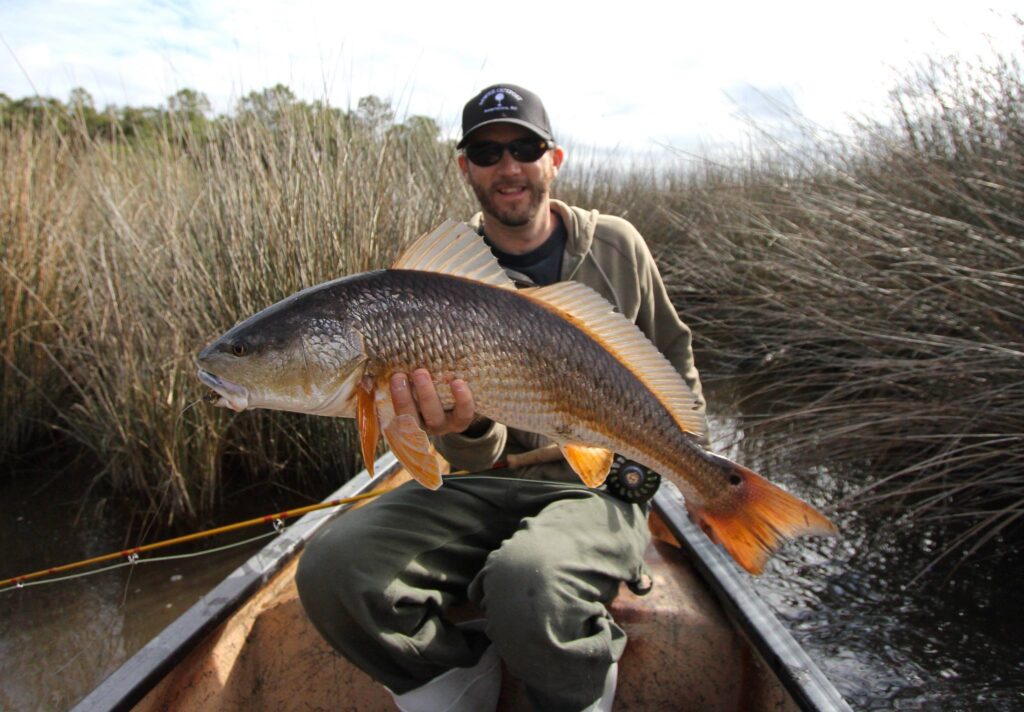
North Carolina’s inshore waters provide diverse Redfish habitats, including estuaries, sounds, and creeks. Some of the best places to catch Redfish include:
- Pamlico Sound: One of the largest estuaries on the East Coast, home to massive Redfish schools.
- Cape Fear River: Productive year-round, with abundant inshore structure for Redfish.
- Bogue Sound: Offers excellent flats and marsh fishing, especially during the summer.
- Neuse River: A top spot for targeting bull Redfish in late summer and fall.
- Outer Banks Inshore Waters: Great for surf fishing and estuary fishing with consistent Redfish action.
Techniques for Catching Redfish
The best approach varies based on season and conditions. Here are the most effective techniques:
1. Live Bait Fishing
- Best live baits: Mullet, Menhaden, Shrimp, and Blue Crab
- A Carolina rig with a circle hook ensures a natural presentation.
- Target oyster beds, grassy shorelines, and tidal creeks.
2. Artificial Lures
- Topwater plugs: Great for early morning and evening action.
- Soft plastics: Rigged on jig heads to mimic baitfish.
- Spoons: Effective for covering large areas and attracting aggressive strikes.
3. Fly Fishing
- Use a 7-9 weight fly rod with crab or shrimp imitation flies.
- Look for tailing Redfish in shallow flats for the best sight-fishing opportunities.
Conservation & Ethical Fishing Practices
Sustaining North Carolina’s Redfish population is vital for future generations. Follow these ethical fishing practices:
- Adhere to state slot limits (usually 18-27 inches, but check local regulations).
- Catch and release oversized bull Reds to maintain a healthy breeding population.
- Use barbless circle hooks to minimize injury and increase survival rates.
- Handle fish carefully, avoiding prolonged air exposure and using wet hands.
Culinary Appeal: How Redfish Tastes & Best Cooking Methods
Redfish is a highly prized fish for its mild, flaky white meat. Some popular ways to cook it include:
- Blackened Redfish: A spicy Cajun-style preparation.
- Grilled Redfish on the Half Shell: Cooked with skin on for enhanced flavor.
- Pan-Seared with Lemon Butter: A simple, flavorful way to prepare fresh Redfish.
Common Mistakes Anglers Make When Targeting Redfish

To improve your catch rate, avoid these common mistakes:
- Using the Wrong Hook Size: Too large, and you’ll miss hookups; too small, and it won’t hold properly.
- Fishing at the Wrong Tide: Redfish feed best on moving tides.
- Ignoring Stealth: Redfish are wary in shallow water, so approach carefully.
- Not Matching Bait to Conditions: Use live bait in murky water and artificial lures in clear water.
Redfish Fishing Myths Debunked
- Myth: “Redfish are only found in deep water.”
- Truth: They frequently roam shallow flats, especially in warmer months.
- Myth: “Live bait is always better than lures.”
- Truth: Artificial lures can be just as effective when presented correctly.
- Myth: “Redfish stop biting at midday.”
- Truth: Overcast conditions and tide movements can keep Redfish feeding all day.
Fishing for Redfish in North Carolina’s marshes is an unforgettable experience for anglers of all skill levels. By understanding their seasonal patterns, using the right techniques, and following conservation efforts, you can enjoy Redfish fishing year-round. Whether you’re wading through estuaries or casting from a skiff, North Carolina’s inshore waters offer world-class opportunities for catching these incredible fish.
Want to gear up for your next Redfish trip? Check out our Redfish Apparel & Decals collection to rep your favorite catch in style!

Looks like heaven to me 😁
Beautiful bronze pup!!
Always a good time!
Love everything about this picture!
☀🌴🌊👙❤👍😎🎣🐟🚤🔥🔥🔥
Send pic on @oceanfish.in ❤️
𝙨𝙚𝙣𝙙 𝙥𝙞𝙘 👉🏻@fishing_.of_paradise