Having determination in adverse conditions while fishing is key, especially when fishing from a skiff in the summer months on the Gulf of Mexico. You have to keep a close eye on storms, tides and of course find the fish. Capt. Jeremy Davidson with Southern Salinity Guide Service and Kory Cheek weathered a nasty day of rain up in Apalachicola and were rewarded with some of the best table-fare the Gulf of Mexico has to offer, Tripletail!
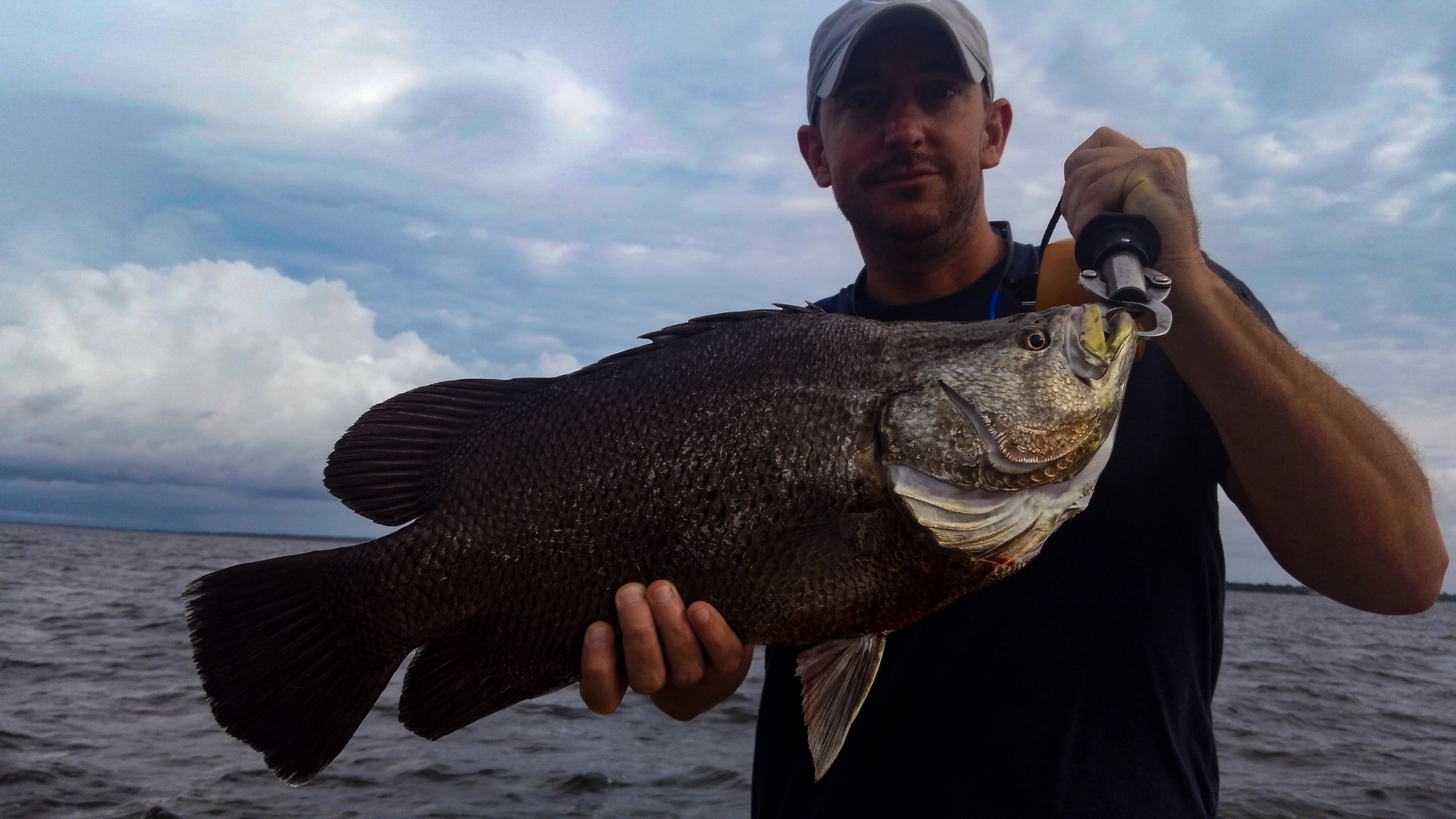

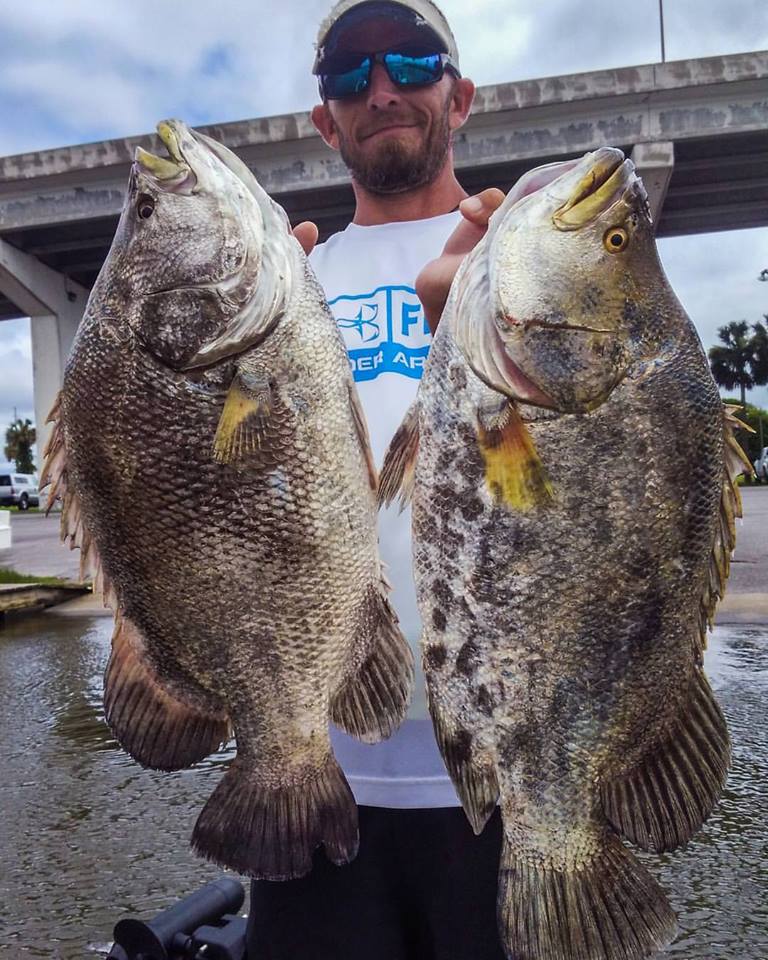
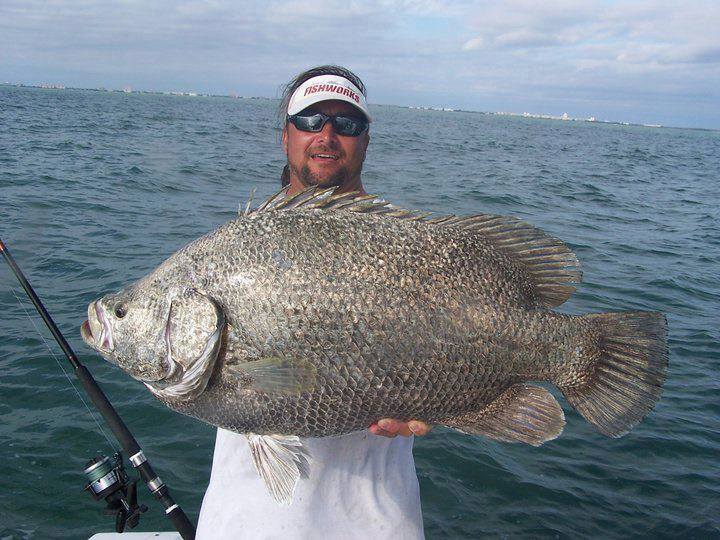
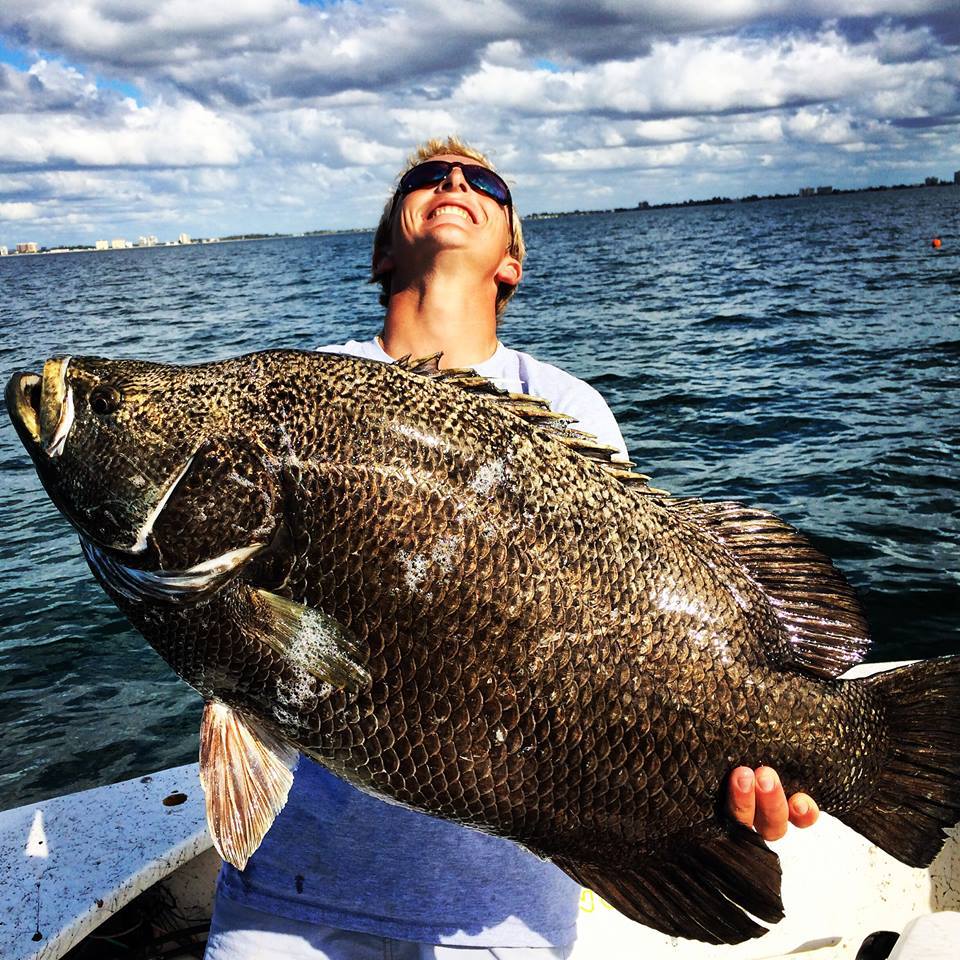
Tripletail (Lobotes surinamensis) are found worldwide in tropical, warm water areas and can grow as large as 36 inches and 40 lbs! While tripletail may look like an odd fish, they are ferocious fighters and great sport. These amazing fish float on their sides, often beside crab buoys, and appear like a leaf or floatsam. Live bait (HINT: Shrimp) cast near a buoy or similar structure will get you a strike from a tripletail. Be forewarned, tripletail are EXPERTS at fouling a fishing line by wrapping you around the buoy or crab line. Do not waste time getting a tripletail away from it’s structure.
If you are in the Apalachicola area we recommend contacting Capt. Jeremy Davidson with
Southern Salinity Guide Service
1 Bay Ave
Apalachicola, Fl 32320
More about Tripletail Fishing in Florida:
Apalachicola, Florida, is a prime location for targeting tripletail, thanks to its rich estuaries, floating debris, and structure-filled waters. These fish are known for their habit of hovering near surface objects, making them an exciting challenge for anglers.
Understanding Tripletail Behavior and Habitat
Tripletail are structure-oriented fish, often found near floating debris, buoys, crab traps, and channel markers. They blend in with their surroundings, appearing like a leaf or piece of debris, making sight fishing one of the best ways to locate them.
- Preferred Habitat: Tripletail frequent warm waters near estuarine and coastal structures.
- Feeding Habits: They ambush prey like shrimp and small baitfish, making them susceptible to well-placed bait.
- Seasonal Movements: In the spring and summer, tripletail tend to be closer to shore, utilizing crab trap buoys and floating debris for cover. As temperatures cool in the fall, they may move slightly offshore.
Best Locations to Find Tripletail in Apalachicola
- Crab Trap Buoys: One of the most productive areas to find tripletail is around crab trap lines in Apalachicola Bay. Slowly cruising along these buoys and scanning for fish near the surface can yield great results.
- Channel Markers and Buoys: Apalachicola’s Intracoastal Waterway and various navigational buoys often hold tripletail, particularly in warmer months.
- Floating Debris and Weed Lines: Tripletail love to hover near drifting debris. Keep an eye out for anything floating on the surface, as these fish use them for shelter.
- Bridges and Pilings: Some tripletail can also be found near bridges and pilings, especially in areas where strong currents bring baitfish close to the structure.
Best Time of Day to Fish for Tripletail
Tripletail fishing is generally best during mid-morning and late afternoon when the sun is high enough to improve visibility for sight fishing. On overcast days, early morning may also be productive. Tides play a role, with a moving tide often producing the best action.
Effective Fishing Techniques
- Sight Fishing: Use polarized sunglasses to spot tripletail near the surface. Once located, position the boat upwind and drift toward them for an accurate cast.
- Bait and Tackle:
- Live bait: Shrimp, small crabs, or finger mullet work exceptionally well.
- Artificial lures: Soft plastics and small jigs resembling shrimp can be effective.
- Recommended Gear: Use a 7-8 ft medium/heavy action rod, paired with a 3500-4000 series reel spooled with 15-20 lb braided line and a 20-30 lb fluorocarbon leader. A 1/0 or 2/0 circle hook is ideal.
- Retrieval Techniques: A slow, steady retrieve with occasional twitches mimics injured baitfish and can trigger strikes. Suspending baits just below the surface can also be effective.
Local Regulations and Size Limits
Always check for the latest regulations in Florida here:
- Minimum Size Limit: 18 inches total length
- Bag Limit: Two per person per day
- Season: Open year-round, but always check for updates from the Florida Fish and Wildlife Conservation Commission (FWC)
Sustainable Fishing Practices
To ensure healthy tripletail populations:
- Use circle hooks to reduce deep hooking and improve survival rates for released fish.
- Avoid targeting spawning fish during peak reproduction periods.
- Release undersized fish carefully to minimize stress and injury.
By focusing on these key areas, techniques, and best practices, anglers in Apalachicola can experience the thrill of catching one of the most unique and challenging inshore fish species. Whether fishing from a boat or the shore, understanding tripletail behavior will increase success and contribute to sustainable fishing.
Need more tips that work all over Florida? Here is a fantastic video featuring veteran fishing Guide, Capt. Jim Ross with https://finelinefishingcharters.com/ discussing Tripletail on Florida Fishing Reports.
Saltwater Boat Recommendations:
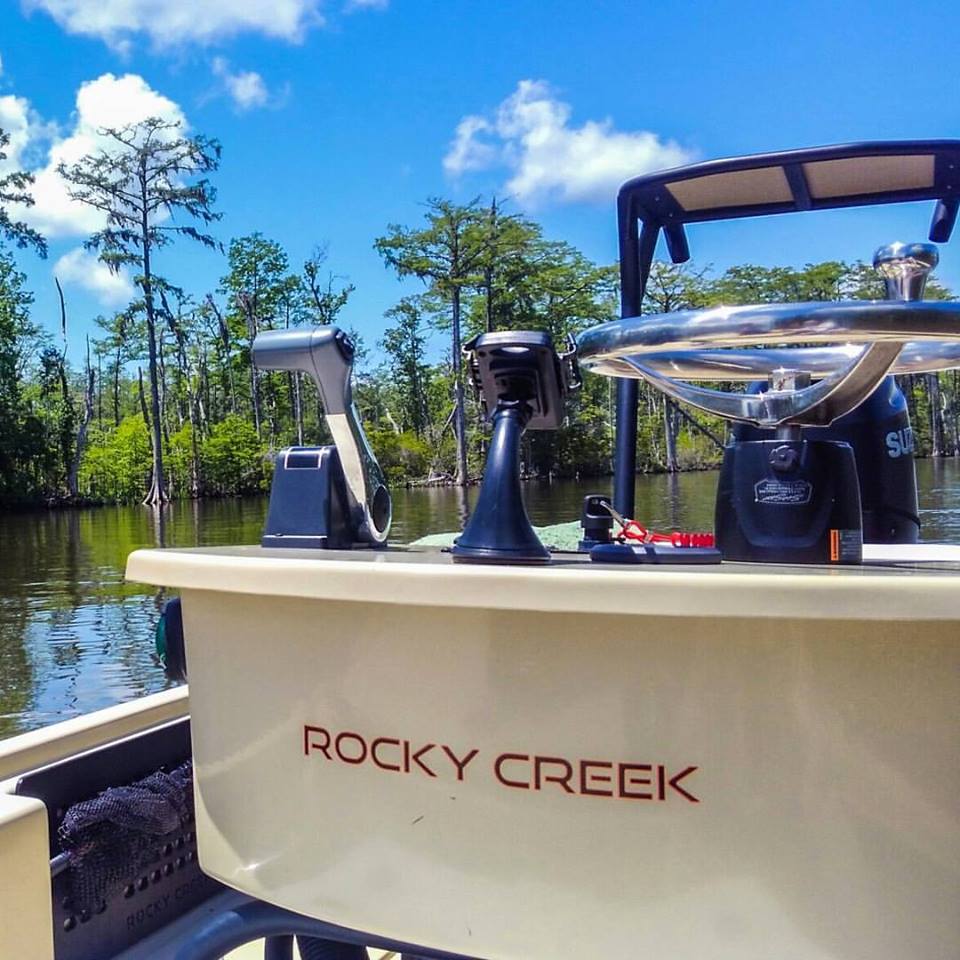
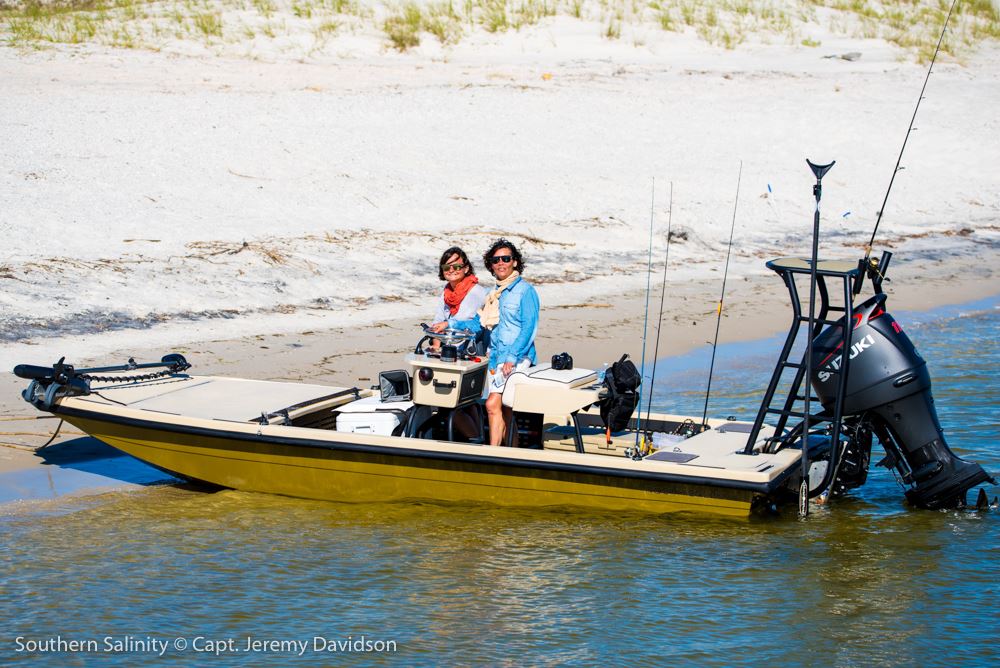
Captain Jeremy fishes out of one of the coolest boats we’ve seen in a long while, a Rocky Creek. We had the pleasure of meeting Ron Cook with Bonefish Boatworks, the builder of these amazing boats at our Trick My Skiff event in February.
The Rocky Creek T 18 was built to year round fishing seasons seasons and fishing styles from summer scallop trips to winter speckled seatrout fishing. The Carolina Skiff style flat bottom guarantees a super shallow capability and also amazing stability in rough conditions.
| |||||||||||||||||||||||||||