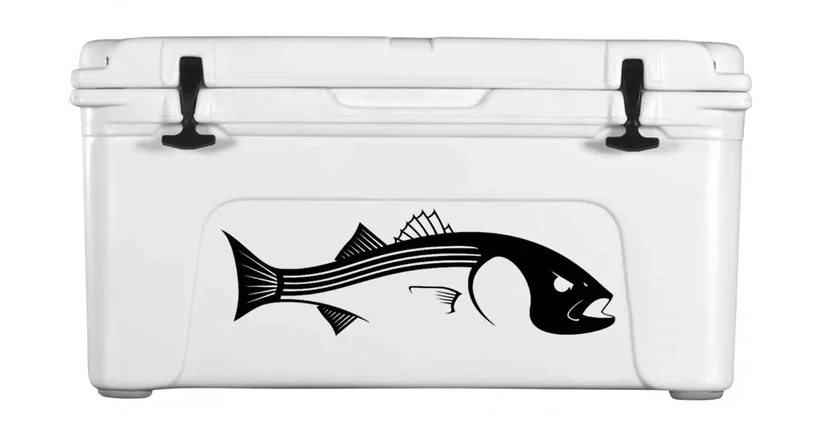

Our friend Phil is on the Striper!
Striped bass, commonly known as stripers, are one of the most sought-after game fish in North America. Their unpredictable movements and feeding patterns make them both a challenge and a thrill to catch. To increase your chances of landing a trophy striper, it’s essential to understand their behavior in different conditions.
What’s the Best Time to Fish for Striped Bass?
Stripers are highly migratory fish, with their movements largely dictated by water temperature and spawning cycles.
- Spring Migration: As water temperatures rise above 50°F, stripers begin their migration from deep wintering grounds to coastal estuaries and freshwater rivers to spawn.
- Summer Patterns: When temperatures climb above 75°F, striped bass tend to retreat to deeper, cooler waters during the day and feed more actively at night.
- Fall Feeding Frenzy: As temperatures drop, stripers feed aggressively to build energy reserves for the winter. This is often one of the best times to target them.
- Winter Holding Areas: In colder months, stripers slow down and congregate in deep channels, making them more predictable but harder to entice.
How Does the Moon Phase Affect Striper Fishing?
Striped bass are opportunistic feeders, preying on baitfish, crustaceans, and even smaller stripers. Their feeding behavior varies based on conditions:
- Dawn and Dusk: Stripers are most active during low-light conditions, making sunrise and sunset prime times for fishing.
- Tidal Influence: Moving tides create current, pushing baitfish into ambush zones. Many anglers find the best action occurs during incoming or outgoing tides.
- Moon Phases: Full and new moons can trigger increased feeding activity due to stronger tides and better nighttime visibility.
- Weather Patterns: Overcast days and light rain can extend feeding windows by reducing light penetration, keeping stripers active longer.
Where Do Stripers Go in Winter?
Knowing where striped bass hold can significantly improve your success rate. They are structure-oriented fish and use underwater features to their advantage:
- Nearshore and Surf Fishing: Stripers frequent beaches, jetties, and inlets where they hunt for baitfish caught in breaking waves.
- Bridges and Piers: The pilings provide structure and attract bait, making them excellent ambush points.
- Rivers and Estuaries: During spawning season, stripers move into freshwater tributaries where they can be targeted with live bait or lures.
- Deep Water Structures: In summer and winter, they hold near underwater ledges, rock piles, and drop-offs where water temperatures are more stable.
Techniques for Targeting Striped Bass
Different approaches work depending on the season and location:
- Topwater Lures: Early morning and late evening are great times to use surface lures like poppers and walk-the-dog style baits.
- Live Bait Fishing: Live eels, bunker, and herring are highly effective, especially in deeper waters.
- Trolling: Using deep-diving plugs or umbrella rigs allows anglers to cover large areas and find active fish.
- Jigging: Vertical jigging with bucktail jigs or soft plastics is effective in deeper water, especially during colder months.
Common Mistakes to Avoid When Fishing for Stripers
- Ignoring Tides: Not factoring in tidal movement can lead to less productive fishing.
- Using the Wrong Bait: Matching the baitfish present in the area is crucial for success.
- Fishing Only During the Day: Many anglers overlook nighttime fishing, which is often highly productive.
- Not Checking Local Regulations: Striper size and bag limits vary by location and season.
Conservation and Responsible Striper Fishing
With fluctuating populations, it’s crucial to practice responsible fishing to sustain the striped bass fishery:
- Follow Regulations: Check local size and bag limits before heading out.
- Use Circle Hooks: These reduce deep hooking and increase survival rates for released fish.
- Handle with Care: Minimize air exposure and use wet hands when handling fish to protect their slime coating.
- Consider Catch and Release: Especially for large breeding females, which are essential for population health.
Key Takeaways
- Striped bass behavior is heavily influenced by season, water temperature, tides, and moon phases.
- Dawn, dusk, and tidal changes are the best times to fish for stripers.
- They prefer structured environments like bridges, jetties, and deep water ledges.
- Techniques like topwater lures, trolling, and live bait fishing increase success rates.
- Conservation efforts help maintain healthy populations for future generations.
Understanding striped bass behavior is key to becoming a more successful angler. By paying attention to their seasonal movements, feeding habits, and preferred habitats, you can increase your chances of hooking into a trophy striper. Whether you’re fishing from shore, a boat, or a pier, adapting your techniques to match their behavior will lead to more productive outings and a greater appreciation for this incredible game fish.
For real-time striper migration maps and local fishing regulations, check out NOAA Fisheries for details on this amazing fish.