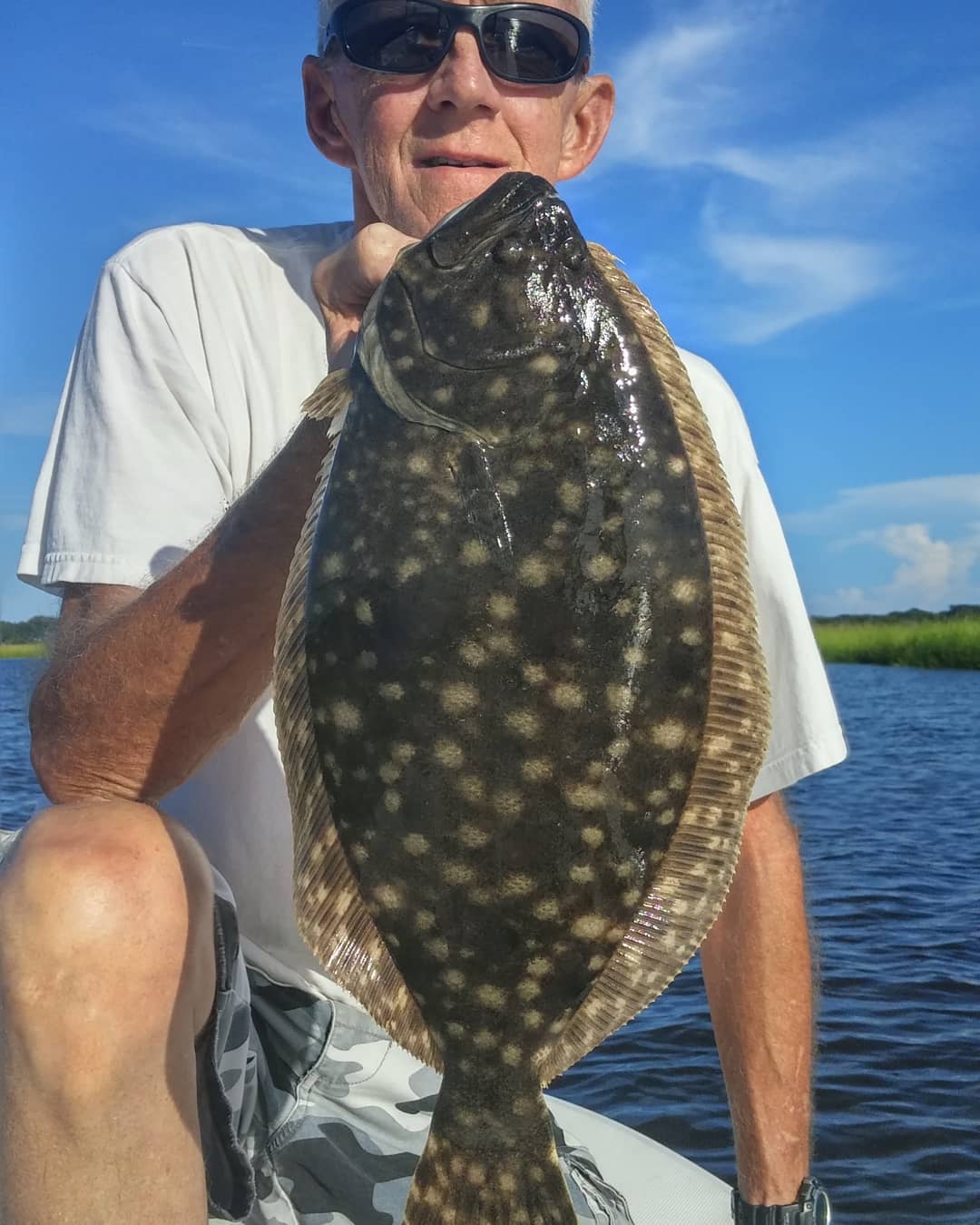
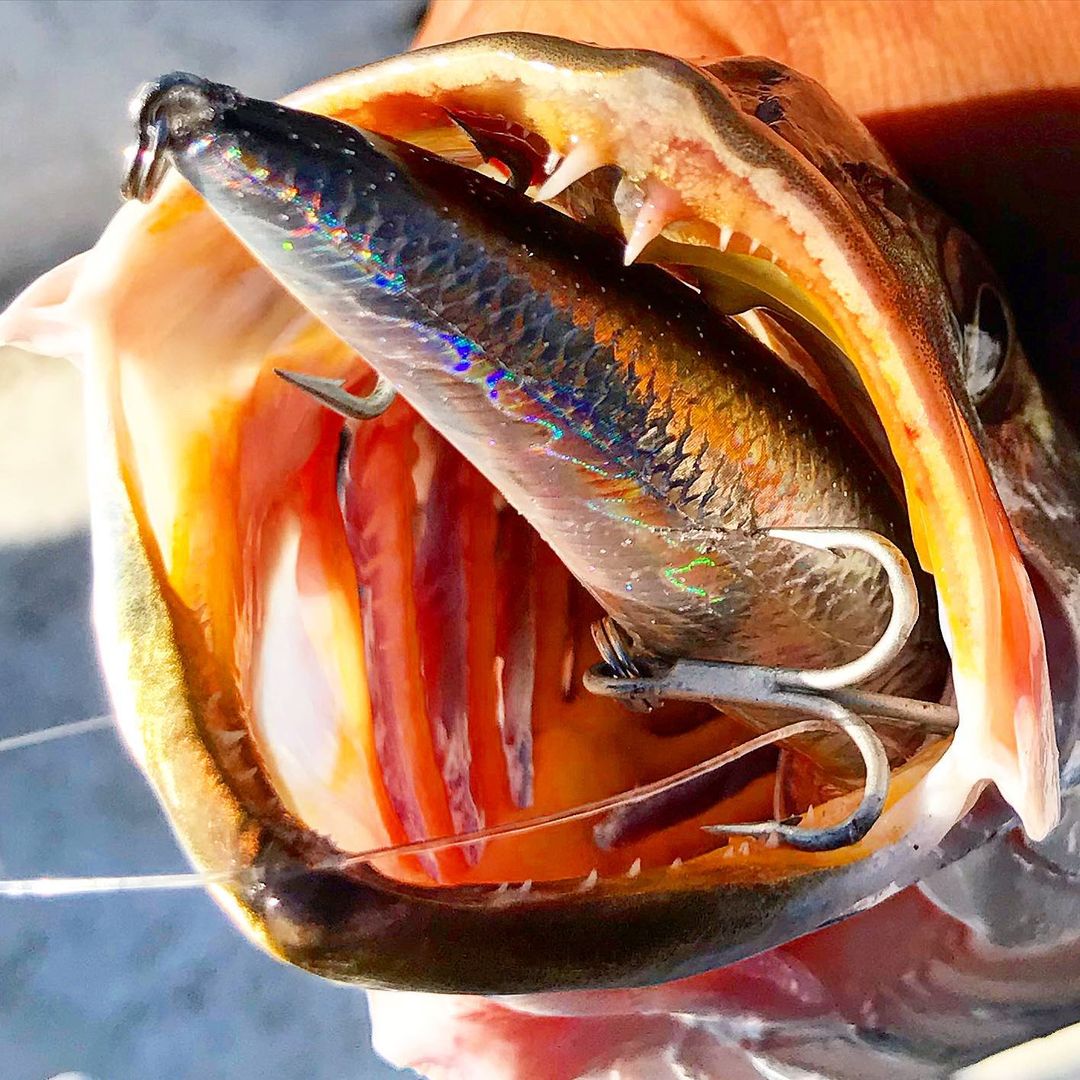
Yellamouth says: I think the fluke wanted that!
Flounder fishing is a beloved pastime along the Gulf of Mexico, spanning from Texas to Florida. Many anglers question whether artificial lures can be as effective as live bait in targeting these prized fish. The simple answer is yes—artificial lures can work exceptionally well, provided you select the right ones and use proper techniques tailored to flounder behavior.
Flounder, commonly referred to as fluke in some areas, are ambush predators that lie camouflaged along the seafloor, waiting for prey to pass within striking distance. To successfully catch them with artificial lures, anglers must understand their habits, habitat preferences, and the best retrieval methods to mimic their natural prey.
Flounder feed primarily on shrimp, mullet, mud minnows, and other small baitfish. They tend to inhabit soft, muddy, or sandy bottoms near estuaries, inlets, channels, and docks. The Gulf of Mexico is home to an abundance of these habitats, making it a prime location for flounder fishing.
Best Artificial Lures for Flounder Fishing
Selecting the right artificial lure can significantly increase your chances of success. Various lure types effectively mimic the movement and appearance of live prey. Here are some of the best options:
Soft Plastic Baits
Soft plastic lures are highly effective for flounder fishing due to their realistic movement and versatility. Some of the top choices include:
- Gulp! Shrimp – Popular among Gulf anglers, these scented soft plastics release an attractant that draws in flounder from a distance.
- Paddle Tail Swimbaits – Lures like the Z-Man DieZel MinnowZ create strong vibrations in the water, grabbing a flounder’s attention.
- Fluke-Style Jerkbaits – The Zoom Salty Super Fluke’s erratic darting motion mimics a wounded baitfish, enticing strikes.
When selecting colors, consider water clarity:
- White, pearl, and glow shades work well in murky water.
- Chartreuse and pink stand out in stained conditions.
- Natural baitfish colors are best for clear waters.
Jigs and Jig Heads
Jigging is a highly effective method for flounder fishing. The key is choosing the appropriate jig head weight to maintain bottom contact while allowing a natural drift. Recommended jigs include:
- Bucktail Jigs – The Spro Prime Bucktail Jig mimics small baitfish and shrimp, making it a reliable choice when tipped with a soft plastic or scented strip.
- Shrimp Imitation Jigs – Vudu Shrimp closely resemble real shrimp and are incredibly effective when worked slowly across the bottom.
- Ball Jig Heads – Pairing soft plastics with jig heads ranging from 1/4 oz to 1/2 oz provides versatility across different depths and currents.
Hard Baits and Spoons
Though less commonly used, certain hard baits and spoons can trigger aggressive strikes when retrieved correctly.
- Rapala X-Rap Twitchin’ Mullet – This lure is excellent for targeting flounder in shallow flats and estuaries.
- Johnson Silver Minnow Spoon – A slow-rolled spoon can be highly effective in areas with moderate currents.
Techniques for Catching Flounder with Artificial Lures
Proper lure presentation and retrieval are crucial for enticing flounder. Here are some effective methods:
Bounce & Drag Method
Since flounder rely on ambush tactics, a slow, bouncing retrieve often yields the best results.
- Cast toward structure, drop-offs, or known flounder habitats.
- Allow the lure to sink and make contact with the bottom.
- Use slow, deliberate twitches to make the lure hop along the bottom.
- Pause between hops to give flounder time to strike.
Dragging a Jig
Instead of hopping the lure, a steady dragging motion can mimic a baitfish or shrimp attempting to escape.
- Ideal for soft plastics and bucktail jigs.
- Keep the rod tip low and apply slow, consistent movement.
Tidal and Seasonal Considerations
Flounder movements vary based on tide changes and seasonal patterns:
- During incoming tides, flounder move to shallow estuaries and shorelines.
- Outgoing tides push baitfish into deeper channels, where flounder often wait.
- Fall months typically offer the best action as flounder migrate toward deeper waters.
Essential Gear for Flounder Fishing with Lures
- Rod: Medium-light to medium spinning rods (6’6” to 7’6”) for sensitivity and strength.
- Reel: 2500–4000 size spinning reels provide a balance of power and control.
- Line: 10-15 lb braided line with a 15-20 lb fluorocarbon leader for abrasion resistance.
- Hooks: Wide gap hooks or appropriately sized jig heads.
Top Flounder Fishing Locations in the Gulf of Mexico
The Gulf of Mexico offers prime flounder fishing across multiple states:
- Texas: Galveston Bay, Port Aransas, and Sabine Pass provide rich estuarine environments.
- Louisiana: Lake Pontchartrain and Barataria Bay offer excellent flounder habitats.
- Mississippi: Biloxi Marsh and Pascagoula River are productive flounder grounds.
- Alabama: Mobile Bay and Perdido Pass yield consistent catches.
- Florida: Pensacola Bay and Apalachicola Bay are top locations for targeting flounder year-round.
Product Recommendations
For anglers who love Gulf fishing, Skiff Life offers high-quality gear to enhance your experience:
- Texas Inshore Slam Decals – Show your passion for inshore fishing with these durable, weather-resistant decals.
- Texas Slam Fishing Shirt – Stay cool and protected from the sun while enjoying your time on the water.
Common Mistakes & Troubleshooting
- Using oversized lures – Flounder prefer smaller, natural presentations.
- Retrieving too quickly – A slow and deliberate approach increases hookup rates.
- Ignoring tide movement – Adjust positioning based on changing water levels and currents.
Catching flounder with artificial lures is not only effective but also rewarding. By selecting the right lures, using proven retrieval techniques, and understanding tidal influences, anglers can consistently land flounder throughout the Gulf of Mexico. Whether fishing with soft plastics, jigs, or hard baits, patience and precision are key.
Want to see something cool? Check out this video featuring the camouflage superpowers of the flounder below!